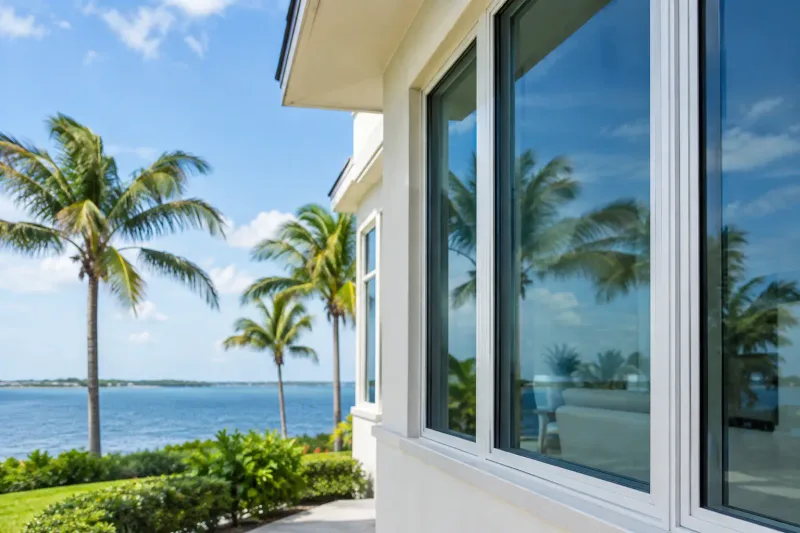
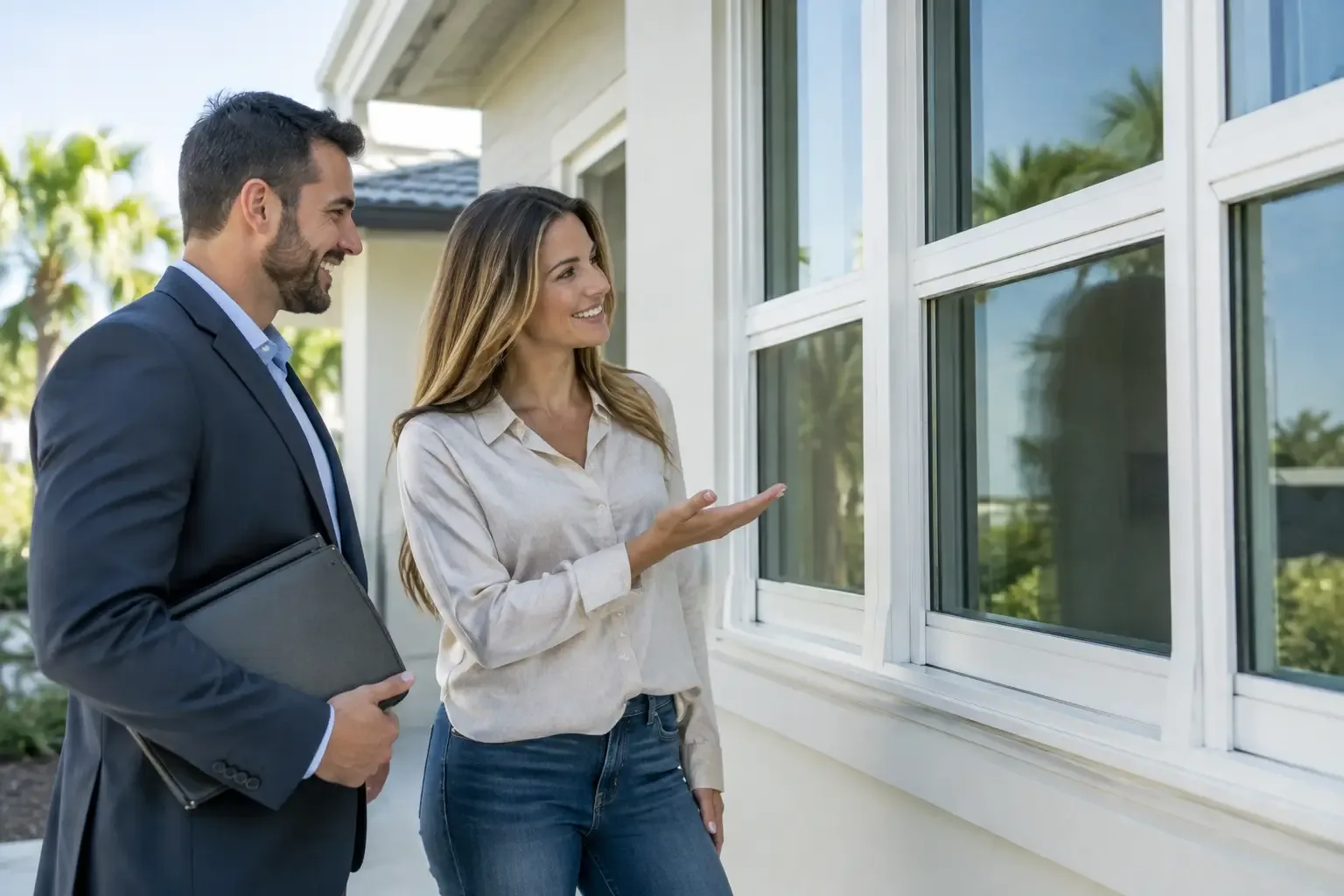
Get HOA approval for impact windows with the right samples, specifications, permits, and contractor coordination for a faster South Florida project plan.
A signed installation contract does not always mean work can begin next week. In many South Florida communities, HOA approval for impact windows is a required step before products are ordered, permits are issued, or an installation date is scheduled. The good news is that impact upgrades are usually viewed as a meaningful improvement to safety, energy performance, security, and property appearance. The key is presenting the project in a way that answers the association's architectural questions before they become delays.
For homeowners, the process can feel like another layer of paperwork on an already significant investment. A qualified impact-window contractor should help make it manageable by preparing clear product information, coordinating the application package, and keeping the project aligned with both association rules and Florida Building Code requirements.
Why HOAs Review Impact Window Replacements
An HOA's architectural review process is designed to protect the consistent appearance and long-term value of the community. Windows and doors affect exterior color, frame profile, grid patterns, sightlines, glass tint, and reflective appearance. Even when an existing window is old, damaged, or non-impact rated, the association may still require approval of its replacement.
That review is not necessarily a rejection of hurricane protection. In fact, many boards recognize the advantage of permanent, Miami-Dade-approved impact products over hurricane panels or shutters. However, they need to confirm that the new windows preserve the approved design standards for the building or neighborhood.
Condominium associations can be particularly detailed because exterior openings may involve common elements, shared building elevations, and uniformity across multiple units. Single-family HOA communities may allow more flexibility, but architectural review committees commonly regulate frame colors, window divisions, door styles, and visible glass characteristics.
Approval rules vary by community. Some associations approve standard replacement packages quickly, while others meet only once per month or require additional board review. A contractor cannot override association requirements, so it is best to account for this timeline before planning a project around hurricane season, a closing date, or a renovation deadline.
What to Submit for HOA Approval for Impact Windows
A complete application gives the architectural review committee fewer reasons to request follow-up information. Associations have their own forms and submission rules, but most want a precise picture of what will be installed and how it will look from the exterior.
The strongest package typically includes the completed HOA application, product brochures or cut sheets, exterior color samples, glass and grid details, elevation photos, and a proposal identifying each opening. For impact windows and doors, it is also useful to provide applicable Florida Product Approval or Miami-Dade Notice of Acceptance documentation, particularly when the community wants confirmation that the selected system meets local hurricane requirements.
Measurements matter. If a new opening will have a different configuration than the existing one - for example, replacing a two-panel slider with a multi-panel sliding glass system, or changing a window into a door - the HOA may require drawings and more detailed review. Changes to an opening's size or location can also increase permitting and engineering requirements.
Avoid submitting only a broad estimate with a manufacturer name. “Impact windows, white frames” may not be enough for a committee deciding whether the proposed frame is bronze, white, black, or another approved finish; whether the glass has a tint; or whether decorative grids match community standards. Clear documentation protects the homeowner from approving one product and later discovering that a different configuration was ordered.
Confirm the Association's Rules Before Selecting Products
The community's declaration, architectural guidelines, and application form should be reviewed early, not after product selection. Look for rules on frame finishes, glass colors, muntins or grids, privacy glass, door styles, and screen colors. Some communities maintain an approved palette or require replacements to match the existing building design exactly.
This is especially relevant for premium upgrades. A black aluminum frame, large-format fixed glass, or contemporary front door may be an excellent architectural choice, but it may not fit a community with established white-framed windows or traditional divided-light doors. The right solution is not always the most visually dramatic option. It is the approved option that delivers the protection and performance the property needs.
If the guidelines are unclear, ask the association for written direction. Verbal guidance from a manager, neighbor, or board member can be helpful, but written confirmation creates a better record when colors, glass options, or door designs are in question.
HOA Approval and Building Permits Are Different
A common source of confusion is the difference between HOA approval and a municipal building permit. They serve separate purposes.
HOA approval addresses the community's private architectural standards. A permit addresses public safety, structural requirements, wind-load compliance, installation methods, and applicable Florida Building Code provisions. Receiving one does not automatically satisfy the other.
Most impact window and door replacements in South Florida require a building permit. Depending on the jurisdiction and scope, permit documents may include product approvals, installation details, engineering, and contractor licensing information. After installation, required inspections must be completed before permit closure.
Do not assume a permit proves that an HOA will accept a visible design change. Likewise, do not treat an HOA approval letter as authorization to begin work without the required permit. A professional project plan tracks both paths, their separate documentation, and the correct order of submission.
How to Avoid Delays That Put the Project on Hold
The fastest approval process usually begins with preparation rather than pressure. Submit the association's current form, confirm whether the application requires owner signatures or a processing fee, and ask whether applications are accepted by email, portal, or in person. Some communities require hard-copy boards or physical color samples.
Timing matters as well. Architectural review committees may meet on fixed dates, and incomplete applications may be pushed to the next cycle. Homeowners should ask how long review normally takes and whether the association has a deadline for responding. Starting the process early is particularly valuable when custom windows, specialty shapes, or multi-panel doors are involved.
Do not order custom products based solely on a preliminary discussion with the association. Final approval should match the selected manufacturer, frame color, glass package, and configuration. Once a custom order is released, changes can affect cost, production time, and installation scheduling.
It also helps to identify practical site requirements upfront. Condominium properties may have rules for delivery hours, elevator reservations, parking, debris removal, protective coverings, insurance certificates, and crew access. These rules do not change the quality of the installation, but ignoring them can delay a properly permitted project on installation day.
When the HOA Requests Changes or Denies the Application
A request for revision is not always a dead end. The committee may simply need a clearer color sample, a corrected product sheet, or confirmation that grids will match neighboring units. In those cases, a prompt, documented response can keep the project moving.
If the association objects to a style or configuration, ask for the exact guideline behind the decision and whether an approved alternative is available. A comparable impact-rated product may provide the same Category 5-level protection and energy benefits while meeting the community's exterior standards. This is where product knowledge matters: frame profiles, glass options, simulated divided lights, and door designs can often be tailored without compromising the core performance objective.
A formal denial deserves careful review, especially when the requested work replaces failed windows or addresses a safety concern. The governing documents may provide an appeal or reconsideration process. Homeowners should follow that process in writing and keep copies of applications, correspondence, approvals, and product selections.
Choose a Contractor Who Can Support the Process
Impact window projects involve more than placing glass into an opening. Correct product selection, verified approvals, accurate field measurements, permitting, installation, inspections, cleanup, and final closeout all affect the result. HOA coordination belongs in that same project-management conversation.
Avrax Impact Windows & Doors helps South Florida property owners assemble the technical and visual information associations commonly request, while managing the permitting and installation steps that follow approval. That coordinated approach gives homeowners one accountable team instead of separate product, paperwork, and installation responsibilities.
Before signing, ask who will prepare the HOA package, what documents will be included, whether the selected products are appropriate for the property's code requirements, and how installation access rules will be handled. The answers should be specific. Clear responsibility early in the project leads to clearer expectations later.
Your impact windows should protect your family when conditions turn severe, not create avoidable uncertainty before installation begins. Start with the community rules, submit a complete and accurate package, and select an experienced team that treats approval, code compliance, and craftsmanship as parts of the same promise.