Use this storm debris protection guide to strengthen windows, doors, roofs, and outdoor spaces before hurricane season with code-ready planning at home.
A hurricane does not need to make direct landfall to damage a South Florida property. Wind-driven branches, roof gravel, patio furniture, construction materials, and loose signage can become projectiles long before the eye of a storm arrives. This storm debris protection guide explains how to reduce those risks with practical preparation, permanent protection, and decisions that support Florida Building Code requirements.
Understand How Storm Debris Causes Damage
Storm debris is dangerous because it attacks the weakest openings in a building envelope. A broken window, sliding glass door, or entry door can allow wind and rain to enter the property rapidly. Once the building is breached, internal pressure can increase and place additional stress on the roof, walls, and remaining openings.
The goal is not simply to keep a branch from cracking glass. It is to preserve the structure's protective shell. For homes and commercial properties in Miami-Dade, Broward, Palm Beach, and other coastal areas, that means planning for windborne debris as a predictable hurricane-season hazard, not an unusual event.
Not all debris risks look the same. A mature oak tree near a bedroom window presents a different concern than unsecured pool furniture beside a wide patio slider. Properties near active construction, canals, golf courses, or open water may also face more airborne material during high-wind events. A property-specific assessment is more useful than a one-size-fits-all checklist.
Start With Windows and Doors
Windows and doors are among the most vulnerable parts of any exterior wall. Older single-pane glass, conventional sliding doors, aging frames, and non-rated entry doors can fail under impact or wind pressure. Temporary shutters and panels can provide a measure of protection when properly installed, but they require storage, physical labor, advance notice, and correct fastening every time a storm threatens.
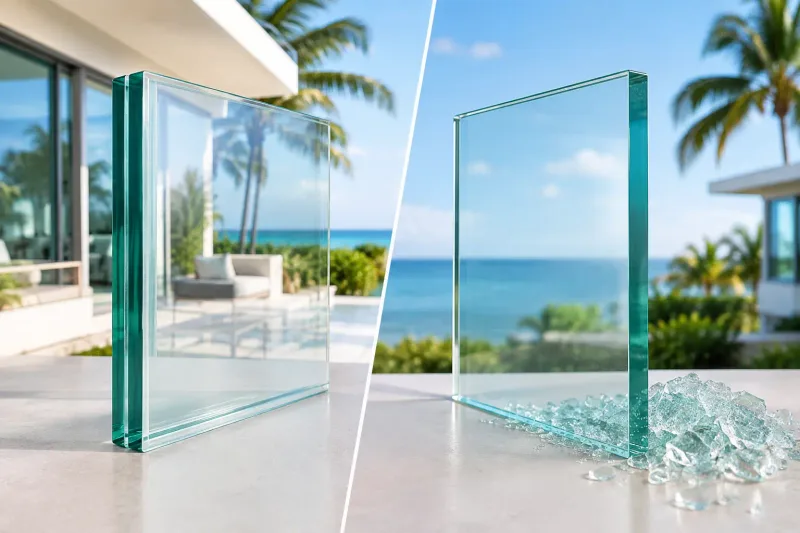
Impact-rated windows and doors provide a permanent alternative. They are engineered with laminated glass and reinforced framing systems designed to resist impact and remain in place even if the outer glass layer breaks. The interior interlayer helps hold the glass together, reducing the chance of an opening that allows wind and water into the building.
For South Florida properties, product approval matters as much as the glass itself. Select systems that are appropriate for the opening size, exposure, design pressure requirements, and local code. Miami-Dade-approved products are commonly sought because they have undergone demanding testing for wind and debris performance. However, approval alone does not make an installation compliant. The exact product, anchoring method, framing condition, and permit requirements must all be evaluated for the project.
Do Not Overlook Large Glass Openings
Sliding glass doors, French doors, multi-panel systems, and corner windows deserve special attention. Their large surface areas can experience significant wind pressure, and their performance depends on both the glass package and the structural connection to the opening.
A replacement door should be sized, rated, and installed for its specific location. A beautiful door with the wrong rating or improper anchoring is not a protection upgrade. This is where professional measurements, engineering review when required, and permit coordination protect the investment.
Secure the Property Before a Storm Watch
Permanent impact protection reduces the need for last-minute boarding, but every property still needs an exterior preparation plan. Begin early, ideally before hurricane season, so crews are not rushing through the property while conditions are deteriorating.
Walk the exterior and identify items that could lift, roll, break apart, or blow into glass. Move portable furniture, grills, planters, umbrellas, toys, and décor indoors whenever possible. If an item is too large to move, use an appropriate anchoring solution designed for that item and location. Do not assume weight alone is enough. A heavy object can still slide, tip, or become airborne in sustained winds.
Pay attention to these common sources of debris:
- Patio furniture, umbrellas, cushions, grills, and freestanding planters
- Loose fencing components, gates, screens, outdoor storage, and pool equipment covers
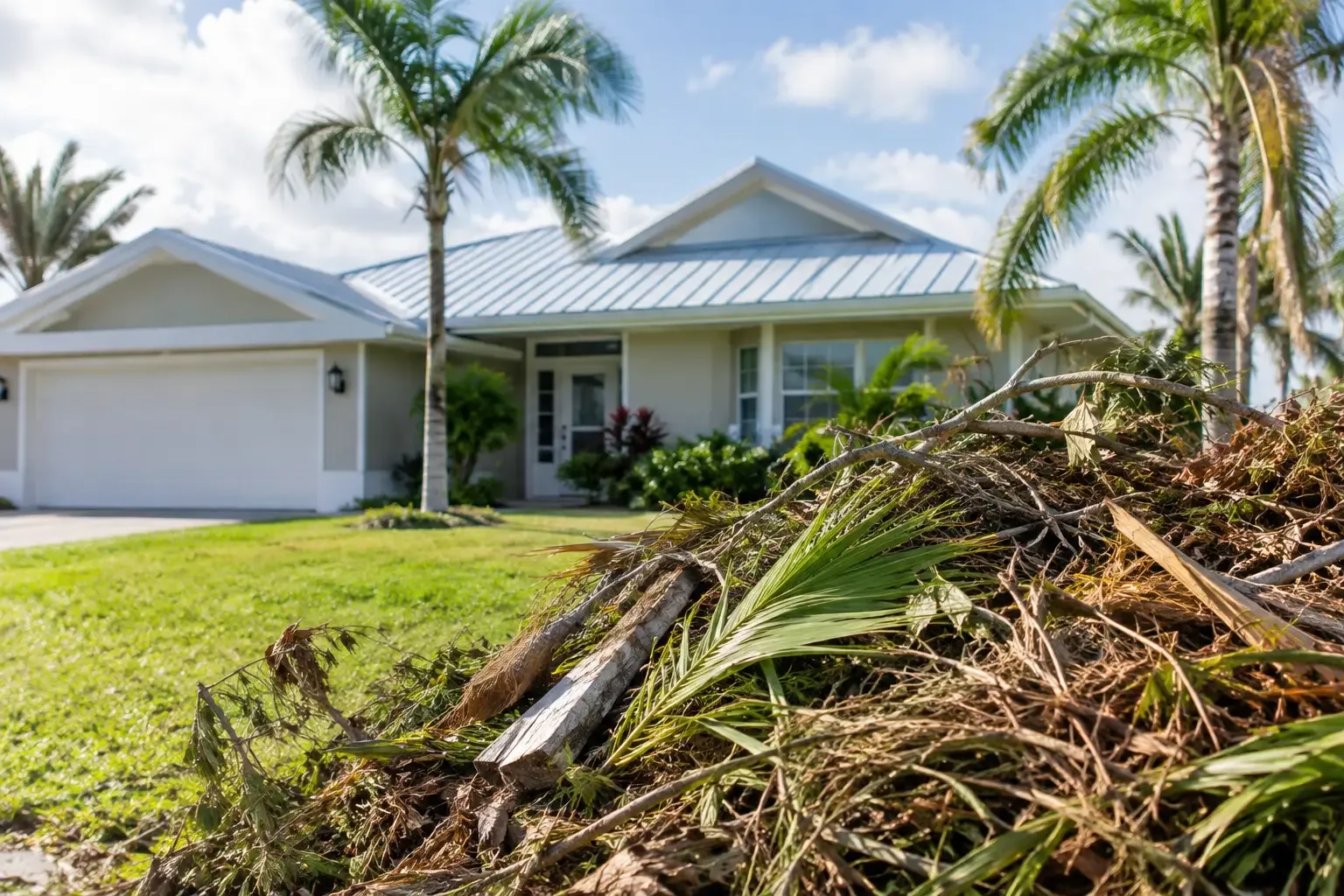
- Tree limbs, coconuts, dead vegetation, and yard waste awaiting pickup
- Construction materials, roof materials, ladders, and unsecured tools
- Decorative items such as flags, wall art, lights, and hanging plants
Do not place loose outdoor items against windows or doors. Even when they are no longer likely to fly away, they can become impact hazards if pushed by wind. Clear the area around exterior openings instead.
Manage Trees, Roofs, and Drainage Together
Tree care is a major part of debris prevention, but aggressive trimming right before a named storm is not always the answer. Poor cuts can weaken a tree, while improperly disposing of branches can leave piles of debris at the curb when winds arrive. Work with a qualified tree professional well ahead of hurricane season to remove dead, damaged, or overextended limbs and to evaluate trees growing too close to the structure.
Your roof should receive the same level of attention. Loose shingles, damaged flashing, failing soffits, and unsecured gutters can become debris hazards for your home and neighboring properties. If a roof repair is needed, address it before storm season. Impact windows cannot compensate for a roof system that is already compromised.
Drainage also influences storm damage. Clean gutters, roof drains, and exterior drains so rainwater can move away from the building. Debris-clogged drainage systems can lead to water intrusion even when windows and doors remain intact. Check that downspouts discharge away from the foundation and that patio drains are clear of leaves and landscape material.
Verify the Installation, Not Just the Product
A storm protection project is only as reliable as its installation. Impact-rated products must be installed according to manufacturer instructions, approved plans, applicable product approvals, and local permitting rules. Small errors in anchoring, sealant application, shimming, flashing, or frame preparation can affect water management and structural performance.
For that reason, homeowners should look beyond a product brochure or a low initial quote. Ask whether the contractor handles site measurements, permit applications, HOA documentation when applicable, removal of existing units, installation, inspections, cleanup, and final permit closure. A complete process reduces handoffs and gives you a clear point of accountability.
For older homes, the existing opening condition can change the project scope. Hidden wood rot, damaged concrete, uneven masonry, corrosion, or previous installation defects may need correction before a new window or door is installed. That can affect cost and schedule, but it is better to address those conditions than conceal them behind a new frame.
Build a Practical Hurricane Readiness Plan
Storm debris protection works best when the household has a clear plan. Keep digital copies of permits, product approvals, warranties, insurance documents, and photos of completed improvements. If a storm causes damage, these records can help document the property's condition and the protective upgrades that were in place.
Before a storm, inspect windows and doors for obvious problems such as damaged locks, torn weatherstripping, sticking rollers, cracked caulk, or water stains around frames. Do not tape windows as a substitute for approved hurricane protection. Tape does not prevent impact damage or stop a breached opening from admitting wind.
For commercial properties, preparation should include a designated person responsible for exterior walkthroughs, tenant communications, equipment storage, and access control. Large storefront openings, glass entrances, rooftop equipment, and exterior signage often require a more formal plan than a single-family home.
Choose Protection That Fits the Property
There is no single right solution for every building. A homeowner replacing one aging bedroom window may prioritize budget and a phased installation plan. A waterfront home with broad openings may need higher-rated glazing and doors designed for demanding exposure conditions. A condominium owner may need HOA approval before work begins, while a commercial property may need to coordinate improvements around tenant operations.
The common requirement is professional evaluation. Product selection should reflect the opening dimensions, location, building construction, local code, desired appearance, and budget. Premium impact windows and doors can also deliver everyday benefits such as improved security, lower outside noise, better energy performance, and a more finished architectural appearance.
Avrax Impact Windows & Doors helps South Florida property owners manage that process from product selection and permitting through certified installation and final cleanup. The right time to evaluate debris protection is when you can make careful choices, not when a storm is already on the forecast. A free on-site assessment can turn a hurricane-season concern into a clear, code-conscious improvement plan.