Compare PGT vs CGI impact windows for South Florida homes. See how approvals, glass, design, installation, and budget shape the right choice for your home.
A window can look excellent in a showroom and still be the wrong choice for your opening, exposure, or building requirements. That is why the PGT vs CGI impact windows decision should begin with more than a brand name. For a South Florida property, the right system must match the approved product configuration, required design pressures, architectural goals, and the quality of the installation behind it.
Both PGT and CGI manufacture respected impact-rated window and door systems used throughout Miami-Dade, Broward, Palm Beach, and Florida’s coastal communities. Both can provide the permanent hurricane protection, security, noise control, and energy performance homeowners expect from a premium exterior upgrade. The better choice depends on the specific products being compared and how they fit your project.
PGT vs CGI Impact Windows: The Core Difference
PGT and CGI are established names in the impact-window market, but neither should be treated as a single, identical product. Each offers multiple series with different frame profiles, glass options, operating styles, finishes, and performance levels. A fixed picture window, a horizontal roller, and a large sliding glass door can have very different ratings and options even when they carry the same manufacturer name.
In practical terms, PGT is often recognized for a broad selection of residential impact products, including aluminum and vinyl systems, traditional window styles, and expansive glass-door configurations. CGI is frequently selected for its architectural appearance, sturdy aluminum construction, and product lines suited to homeowners who want a more refined frame profile or a specific design direction.
That does not mean one brand is automatically stronger than the other. The relevant comparison is product-to-product: the approved model, size, glass build-up, hardware, reinforcement, and installation method. A properly specified CGI window may be ideal for one elevation, while a PGT system may be the more appropriate solution for another area of the same home.
Start With Approval and Design Pressure
South Florida is not a market where a general statement such as “hurricane rated” is enough. Your windows and doors must meet the applicable Florida Building Code requirements and, where required, carry the appropriate Miami-Dade Notice of Acceptance or Florida Product Approval for the exact system being installed.
Design pressure is a central part of that decision. It measures how much positive and negative wind pressure a window or door assembly is designed to resist. The required pressure can change from one property to another based on location, building height, exposure, opening size, and placement on the structure. A large second-story opening facing open water will not necessarily have the same requirements as a smaller, sheltered opening on the ground floor.
When comparing PGT vs CGI impact windows, ask to see the proposed product series and the approval that applies to your configuration. Glass type, mullion layout, panel size, and anchoring can all affect what is permitted. This is where professional planning protects the project from costly changes later in the permit process.
Impact Glass Is Only Part of the System
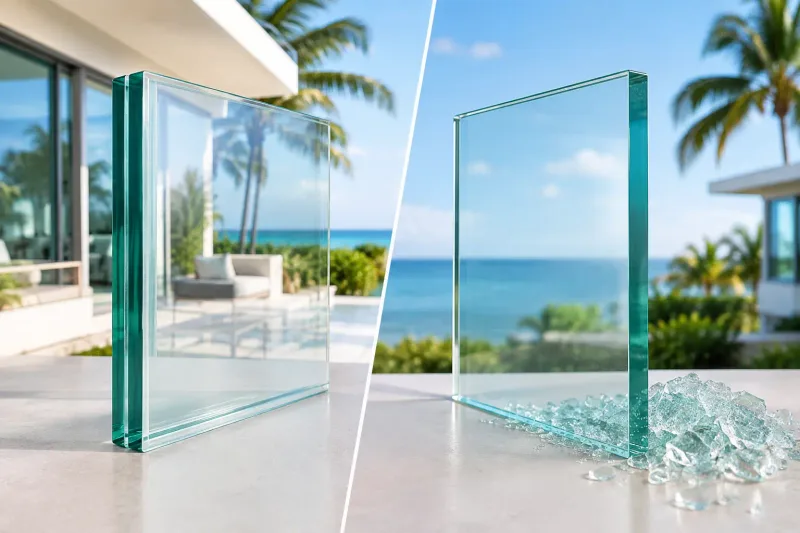
Laminated impact glass is designed to remain intact when struck by windborne debris. The outer glass layer may crack, but the interlayer helps hold the assembly together and maintain the building envelope. That protection can reduce the risk of sudden internal pressurization during a storm, while also adding meaningful resistance against forced entry.
Still, glass alone does not determine performance. The frame, sash, glazing stops, locks, rollers, screws, anchors, substrate condition, and installation details all work together. A premium impact window installed outside its approved limitations can compromise the value of the investment. The manufacturer matters, but certified execution matters just as much.
Where PGT May Be the Better Fit
PGT is a strong choice for homeowners who want extensive product availability across common residential opening types. Depending on the series, PGT can offer practical options for single-hung windows, casements, fixed glass, horizontal rollers, French doors, and sliding glass doors. This can simplify a full-home replacement where several styles need to coordinate.
Many homeowners also appreciate the ability to balance performance and budget across different areas of the house. A highly visible front elevation may call for a particular frame style or larger fixed-glass design, while secondary rooms may be best served by a more economical approved configuration. A well-designed PGT package can accommodate that kind of planning without treating every opening as identical.
For projects involving large openings, the selected PGT door system must be reviewed carefully for panel dimensions, design pressure, roller performance, sill details, and water management. A large sliding door is often one of the most valuable upgrades in a South Florida home, but it is also one of the components where precise measuring and installation discipline are essential.
Where CGI May Be the Better Fit
CGI can be especially appealing when the architectural character of the frame is a major priority. Its aluminum impact systems are commonly considered by property owners seeking a substantial, clean-lined appearance that complements contemporary homes, coastal residences, and commercial-style facades.
Frame sightlines deserve attention during the selection process. Sightlines are the visible widths of the frame and sash around the glass. They influence how much daylight enters the room, how open the view feels, and whether replacement windows preserve the intended appearance of the property. A few inches of visible frame difference across multiple openings can noticeably change an elevation.
CGI may also be a practical fit when a project calls for specific aluminum profiles, color choices, or custom sizing. However, a preferred appearance must still be checked against the approved performance limits for the actual opening. The best-looking option is only the right option when it is code-compliant and properly engineered for the location.
Compare the Details That Affect Daily Ownership
Homeowners often focus first on storm protection, and they should. But after installation, the daily experience is shaped by operation, maintenance, comfort, and appearance. Compare opening styles directly. A casement window may provide strong ventilation and a tight seal, while a single-hung unit offers a familiar operation and can be more practical in certain rooms. A fixed window maximizes views but does not provide airflow.
Also compare glass packages. Tinted glass, low-emissivity coatings, and different interlayer options can affect solar heat gain, glare, visible light, and privacy. South Florida rooms with intense afternoon sun may benefit from a different glass selection than shaded openings. The goal is not to make every window dark. It is to manage heat and comfort while preserving the natural light that makes the home enjoyable.
Noise reduction is another meaningful benefit, particularly near busy roads, airports, schools, or active neighborhoods. Impact glass can reduce outside noise, but results vary by glass construction, frame, seals, and the surrounding walls. It is reasonable to expect improvement, but no responsible contractor should promise complete silence.
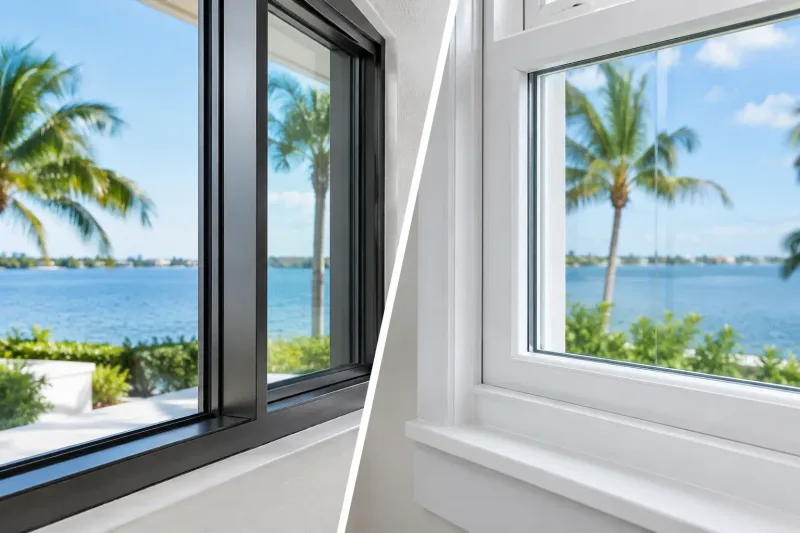
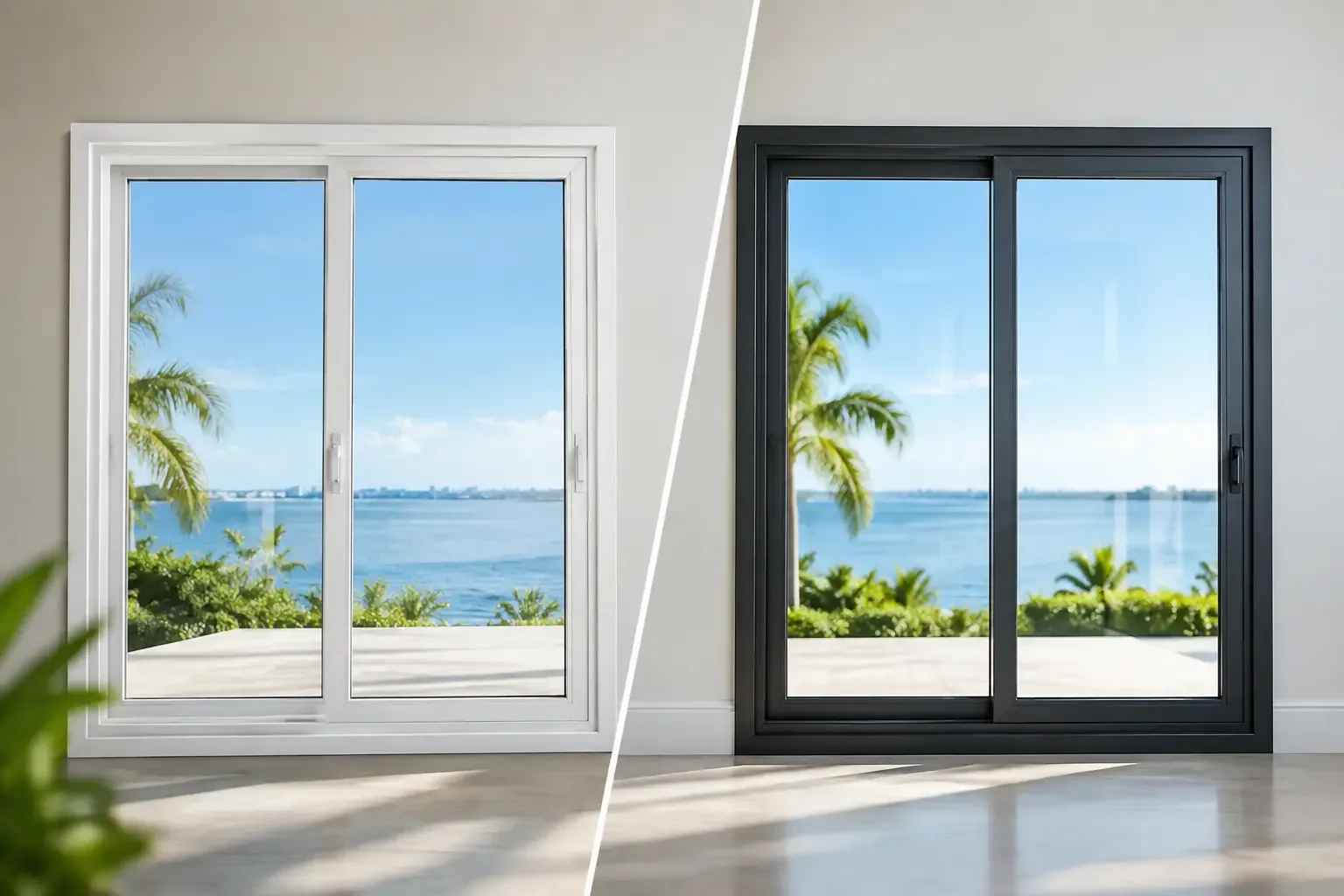
Finish selection requires the same care. White, bronze, black, and custom colors can transform curb appeal, yet darker finishes may show dust and salt residue more readily in coastal settings. Aluminum frames are durable, but regular cleaning and sensible maintenance remain part of protecting their appearance.
Price Is More Than the Window Unit
A lower initial quote does not always represent a lower total project cost. With impact windows and doors, price can reflect the product series, glass selection, custom fabrication, structural preparation, installation complexity, permit administration, disposal of existing units, and final inspections.
For example, replacing older windows in a concrete block home may reveal deteriorated bucks, damaged stucco, or previous installation conditions that need correction. A properly managed proposal accounts for the work required to install the new units according to the approved method, not merely to place a new frame in an old opening.
The most useful comparison is an apples-to-apples proposal. Confirm the manufacturer and series, opening operation, glass package, finish, approval requirements, installation scope, permit responsibility, and whether drywall, stucco, trim, or paint touch-up is included. If one quote is substantially lower, identify what is different before assuming the products are equivalent.
The Installer Should Guide the Brand Decision
Choosing between PGT and CGI is not a matter of picking a winner from a brochure. A qualified contractor should inspect the property, measure each opening, assess existing conditions, review code requirements, and explain where product options differ in a way that affects your home.
The process should also account for HOA documentation, permitting, scheduling, protection of interior finishes, debris removal, and final permit closure. These details are not administrative extras. They are part of delivering a controlled, code-compliant replacement project with minimal disruption to the property.
At Avrax Impact Windows & Doors, that project-level approach helps homeowners compare approved options with clear expectations around performance, appearance, and installation. The objective is not to push a single manufacturer. It is to specify the right impact system for the opening and stand behind the work from consultation through completion.
A well-chosen impact window should feel like a permanent improvement, not a storm-season purchase. Select the system that meets the required approval, suits the way your home looks and lives, and is installed by a team prepared to take responsibility for every critical detail.