
Learn how impact windows noise reduction works in South Florida, what affects performance, and why correct glass and installation make the difference.
The sound of a passing truck, a late-night delivery, a neighbor’s lawn equipment, or a busy boulevard can make a South Florida home feel less private than it should. Impact windows noise reduction gives homeowners a practical way to reduce that intrusion while upgrading hurricane protection, security, and energy performance at the same time. The result is not complete silence, but a noticeably calmer interior when the system is selected and installed correctly.
For properties near major roads, airports, schools, commercial corridors, or active coastal neighborhoods, quieter rooms can be one of the most appreciated benefits of an impact window replacement. The key is setting realistic expectations and understanding that glass is only part of the solution.
How impact windows reduce outside noise
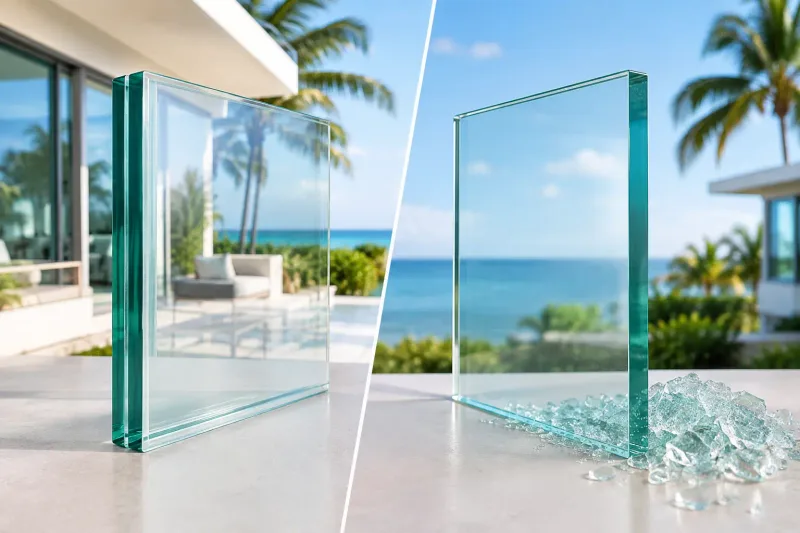
Impact windows are built as a sealed, reinforced glazing system. Unlike a conventional single-pane window, an impact-rated unit typically uses multiple layers of glass bonded with a durable interlayer. That construction helps the glass remain intact during an impact event, but it also changes how sound energy moves through the opening.
The laminated glass layer can dampen vibration, particularly across many of the frequencies associated with traffic, voices, and street activity. Insulated glass configurations add another barrier, with separated panes and sealed airspace working to reduce the transmission of sound. Heavy-duty frames, multi-point locking hardware, weatherstripping, and properly compressed seals also limit the small air gaps that let noise pass freely into a room.
This is why an impact window is more than strong glass in a frame. It is a complete exterior opening designed to perform under wind pressure, rain, and impact. When the whole assembly is tightly fitted, it can substantially improve the comfort of a home or commercial space.
The difference between noise reduction and soundproofing
No residential window can make a property completely soundproof. Sound can still enter through walls, attic vents, exterior doors, roof assemblies, AC penetrations, and even poorly sealed outlets on exterior walls. Low-frequency noise, such as deep bass, heavy construction equipment, or aircraft rumble, is especially difficult to block completely.
A professionally specified impact window system can reduce outside noise enough that conversations are easier, sleep is less interrupted, and television volume does not have to compete with the street. How dramatic the change feels depends on the existing windows and the source of the noise. Replacing old single-pane aluminum windows with worn seals often creates a much more obvious improvement than replacing newer, well-maintained insulated windows.
What determines impact windows noise reduction
Two impact-rated products may both meet hurricane requirements while delivering different acoustic results. Miami-Dade approval and Florida Building Code compliance are essential for storm protection, but they do not automatically mean every glass package performs the same against noise. Product selection should account for the home’s exposure, opening size, frame type, and the type of sound the owner wants to reduce.
Glass makeup and laminate interlayers
Laminated glass is central to the acoustic benefit of many impact window systems. The interlayer between panes helps dissipate sound vibrations rather than allowing them to travel directly through a single sheet of glass. Certain acoustic-focused interlayers and glass thickness combinations can improve performance further.
The best option depends on the project. A home facing a high-traffic road may benefit from a glass package designed to address broad traffic noise. A condominium near flight paths may need a different approach, since aircraft sound includes lower frequencies that demand more from the full wall and window assembly. During product selection, it is worth discussing the actual noise source, not simply asking for “soundproof windows.”
Insulated glass and spacing
Insulated impact glass uses two panes separated by a sealed space. This design can support both energy efficiency and sound control, although more panes do not always guarantee a better acoustic outcome. Glass thickness, spacing, and the use of laminated layers all matter.
In some cases, using panes with different thicknesses can help disrupt a wider range of sound frequencies. The right configuration must still meet the project’s required design pressures, energy goals, appearance preferences, and applicable code requirements. A qualified contractor can help balance these factors instead of treating noise reduction as an isolated feature.
Frames, seals, and installation quality
A premium glass package cannot compensate for an opening that is measured incorrectly or sealed poorly. Even narrow gaps around a frame can weaken the acoustic benefit because sound travels efficiently through air leaks. This is one reason installation quality matters as much as the product itself.
Professional installation includes accurate field measurements, appropriate anchoring, correct shimming, perimeter sealing, and careful adjustment of sashes, sliders, and locking points. Existing opening conditions also need attention. Rot, damaged substrates, uneven masonry, deteriorated framing, and old caulking can all affect the final result if they are not addressed during the replacement process.
At Avrax Impact Windows & Doors, the project is managed from product selection and permitting through installation, cleanup, and completion. That accountability helps ensure the finished opening performs as a system, rather than leaving homeowners to coordinate separate product, permit, and installation responsibilities.
Where homeowners notice the biggest improvement
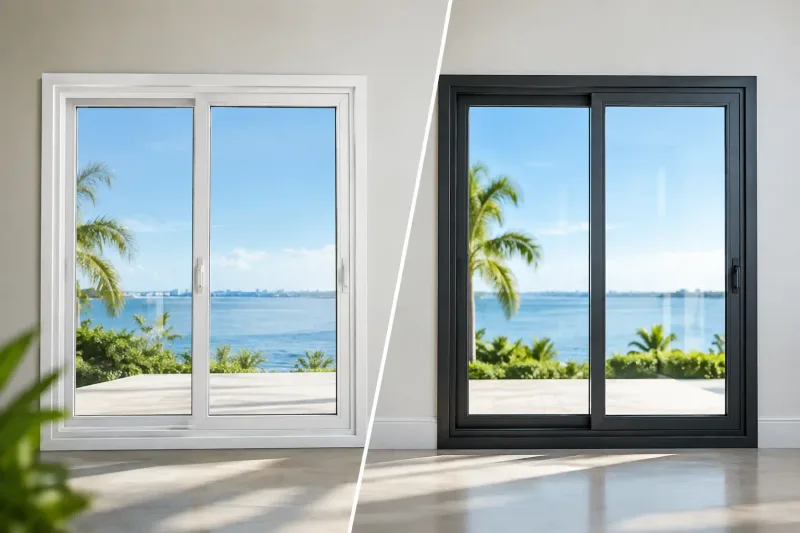
Bedrooms facing a roadway are often the first rooms where owners notice quieter conditions. The same is true for home offices, nurseries, media rooms, and living areas near pool equipment or neighboring outdoor activity. Sliding glass doors can be particularly important because older units often have worn rollers, loose panels, and degraded weatherstripping that allow both air and noise through.
Replacing a conventional sliding door with a properly fitted impact-rated patio door can change how a rear living space feels, especially when the home backs up to a busy street, canal traffic, or communal outdoor area. French doors and entry doors also deserve attention. If a home has high-performance windows but an aging, poorly sealed door, the door may become the weak point for noise and air infiltration.
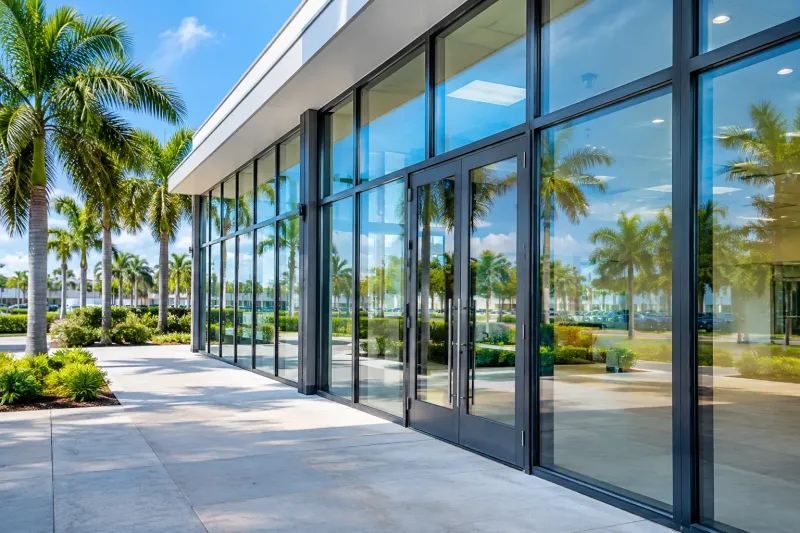
For commercial properties, the value can be equally practical. A quieter office, medical practice, retail space, or hospitality environment can improve client comfort and create a more polished interior experience. Yet commercial decision-makers should evaluate surrounding walls, storefront systems, entrances, and HVAC paths along with the glazing package.
Choosing the right system for a South Florida property
South Florida installations must begin with hurricane protection and code compliance. Window and door systems should be selected for the property’s exposure, required wind loads, opening dimensions, and local permitting requirements. Once those essentials are established, noise control, energy performance, security, sightlines, and design can guide the final configuration.
Do not rely on a showroom demonstration alone. A quiet showroom does not replicate the conditions of a home beside a six-lane road or under a flight path. Bring photos of the openings, describe when the noise is worst, and identify which rooms matter most. If the disruption is concentrated in only two bedrooms, the project may require a different priority than a whole-home replacement driven mainly by hurricane protection.
It is also wise to compare complete proposals, not just window prices. Confirm the manufacturer, impact approvals, glass configuration, frame finish, removal of existing units, permit responsibilities, installation scope, and finishing work. A lower initial quote can lose its value quickly if it excludes essential work or leaves performance details unresolved.
Set expectations before installation begins
Impact windows can make a meaningful difference, but honest planning produces the best outcome. If the old windows rattle, leak air, or have broken seals, replacement may deliver a major reduction in everyday exterior noise. If the home already has quality insulated windows and the remaining noise is traveling through walls or roof vents, the improvement may be more moderate.
Ask the contractor to inspect the full opening and point out other likely sound paths. In certain situations, improvements to exterior doors, weatherstripping, attic ventilation, wall insulation, or HVAC penetrations may be needed to achieve the level of quiet you want. That does not diminish the value of impact windows. It simply recognizes that acoustic comfort is created by the entire building envelope.
A well-planned impact window project should leave your home better prepared for Category 5 conditions and more comfortable on an ordinary Tuesday morning. When the glass, frame, seals, and installation are treated as one system, the quieter room on the other side is not a luxury feature. It is part of the peace of mind you should expect from a permanent exterior upgrade.