Window financing can help South Florida owners install code-compliant impact windows and doors now while planning payments with confidence and care ahead.
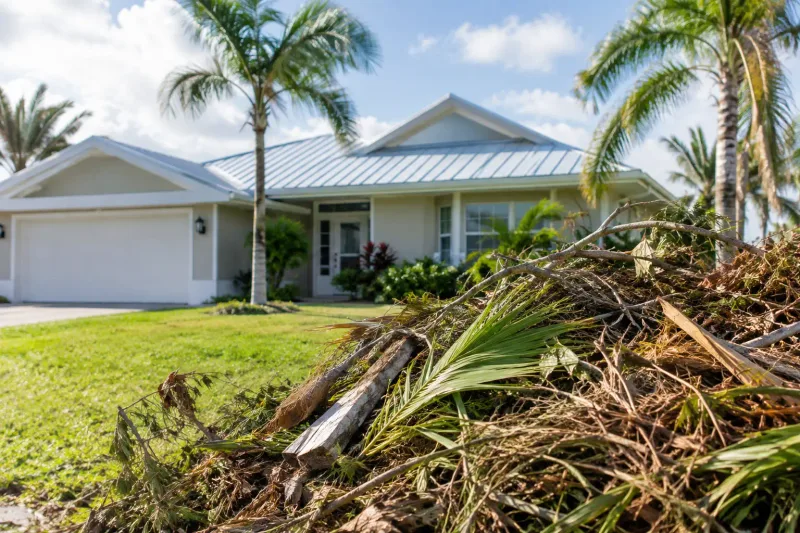
A hurricane warning is the wrong time to discover that aging windows, old sliders, or removable panels are the weak point in your home. Window financing gives South Florida property owners a practical way to move forward with permanent impact protection while managing the cost through planned monthly payments rather than delaying a necessary exterior upgrade.
For many homeowners, this is not simply a window purchase. It is a code-sensitive construction project involving custom measurements, Miami-Dade-approved products, permits, installation, inspections, and the removal of existing units. The right financing approach should support that complete scope of work, not distract from the quality of the windows, doors, or installation behind them.
Why impact windows are a major investment
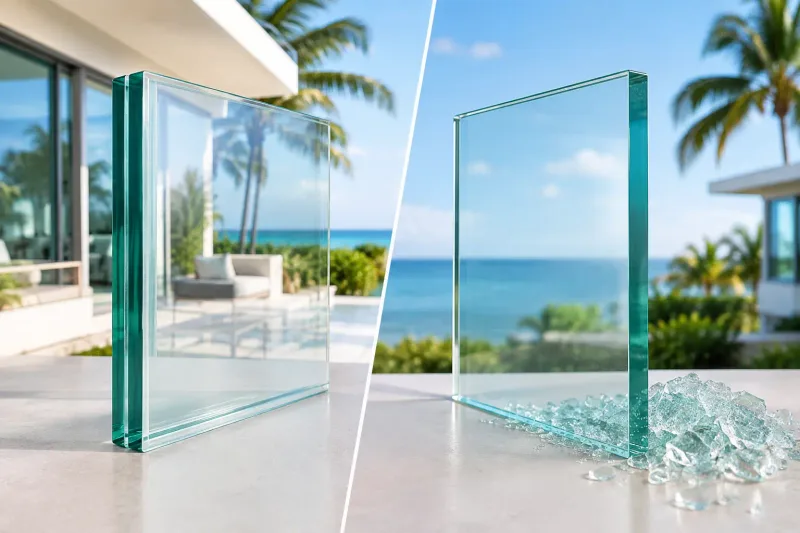
Impact-rated windows and doors are built to do more than improve a view. When properly selected and installed, they help protect your home from windborne debris, wind pressure, water intrusion risks, forced entry, outside noise, and intense South Florida heat. They can also replace the annual work of putting up and taking down hurricane panels.
That level of protection requires specialized materials and execution. The investment typically reflects the size and number of openings, frame and glass selections, performance ratings, structural conditions, door configurations, labor, permitting, and required finish work. A large sliding glass system or reinforced entry door, for example, is a very different project from replacing a small bathroom window.
Financing can make the project more approachable, but it should never become the sole reason to choose a product or contractor. A low monthly payment has little value if the proposal leaves out permits, does not address required code upgrades, or relies on an installation team without the qualifications to execute the work correctly.
What window financing can cover
A complete proposal should clearly define what is included in the financed project. In a professionally managed impact window and door installation, the scope may include product selection, field measurements, custom fabrication, permit coordination, HOA documentation when required, removal of old windows or doors, installation, cleanup, inspections, and final permit closure.
This matters because comparing only the price of the glass can be misleading. A lower initial quote may not include the same product approvals, installation details, permit administration, or finishing work. South Florida building requirements are demanding, particularly in high-velocity hurricane zones. The value of a proposal lies in the complete, code-compliant result.
For commercial owners, the same principle applies. Financing decisions should account for the full glazing scope, operational scheduling, architectural requirements, safety standards, and the long-term performance expected from the installation.
How to evaluate a financing offer
The most useful financing arrangement is one you understand completely before signing. Payment amount matters, but it is only one part of the decision. Ask for the terms in writing and take time to compare the total cost of financing with the value and urgency of the project.
Start with the total project price
Review the complete contract price before focusing on monthly payments. Confirm the window and door brands, model lines, glass options, colors, hardware, quantities, and installation services. If you are comparing estimates, make sure each contractor is pricing a similar scope.
A payment that looks attractive may be tied to a longer repayment period, a larger down payment, or a proposal that excludes needed work. Clear documentation prevents surprises later.
Understand the rate, term, and total repayment
Ask whether the financing uses a fixed or variable annual percentage rate, how long the repayment term lasts, and what the total amount paid will be if you make every scheduled payment. Also ask whether there are origination fees, deferred-interest provisions, late fees, or prepayment penalties.
Promotional offers can be useful in the right situation, especially when you have a clear plan to pay the balance before the promotional period ends. However, some deferred-interest offers may charge interest retroactively if the full balance is not paid on time. Read those terms carefully rather than assuming that “no interest” applies under every circumstance.
Choose a payment that leaves room for real life
A larger monthly payment may reduce total interest and shorten the loan term. A lower payment can preserve household cash flow but may increase the total financing cost over time. The right balance depends on your income stability, emergency savings, existing debt, and other property expenses.
Avoid stretching the budget simply to select upgrades that are not essential to the project. Prioritize the openings that need replacement, the protection level your property requires, and products that meet applicable Florida Building Code requirements. Your contractor can help you distinguish meaningful performance choices from cosmetic preferences that can be adjusted to fit the budget.
Confirm when funds are released
Ask how payments to the contractor are scheduled. A legitimate construction agreement should connect payments to clearly defined project milestones, such as contract execution, product ordering, delivery, installation progress, and completion. You should also understand what happens if a permit review, HOA approval, or manufacturer lead time affects the project schedule.
Strong communication matters here. Custom impact windows and doors are generally made for the specific opening and selected configuration. A contractor who explains the process upfront is helping you plan responsibly, not just close a sale.
Build the project around protection first
It is tempting to begin with a monthly payment target. A better starting point is to identify what your home needs to be safer, more secure, and compliant. Are the current windows non-impact? Are your sliders difficult to operate or showing corrosion? Do you still rely on hurricane shutters or panels? Is your entry door aging, poorly sealed, or no longer aligned with the home’s security needs?
From there, evaluate the performance requirements for each opening. Miami-Dade-approved systems, proper anchoring, compatible glass, and certified installation practices all contribute to the finished product’s ability to perform under severe conditions. A high-quality impact window cannot deliver its intended protection if the installation does not follow the approved system and site-specific requirements.
This is why window financing should support a professionally designed solution, not encourage shortcuts. Permanent protection is an investment in the structure, the people inside it, and the property’s long-term marketability.
Questions to ask before you apply
Before moving ahead, ask the contractor and financing provider direct questions. What products and services are included in the contract? Are permits and inspections part of the stated price? What is the interest rate, repayment term, and total cost if the balance is carried to term? Is there a down payment? Are there penalties for early payoff or late payment? Who handles HOA submissions and permit follow-up? What milestones trigger payments?
You should also ask what documentation you will receive at completion. Keep copies of your signed contract, product approvals, warranty information, permit records, inspection results, and final payment confirmation. These records can be useful for insurance conversations, future property sales, warranty requests, and your own peace of mind.
A better way to compare estimates
When you receive several proposals, place them side by side and compare more than the final number. Check the product manufacturer and approval status, glass type, frame construction, door hardware, installation method, permit responsibility, warranty coverage, and financing terms. If one proposal is substantially lower, ask what differs instead of assuming the products are equivalent.
For homeowners across South Florida, Avrax Impact Windows & Doors approaches the work as a full project, from consultation and custom fitting through permitting, installation, cleanup, and final completion. That accountability is especially valuable when financing is involved because the project should remain organized from the first payment through the last inspection.
Make the decision before storm season makes it for you
There is no universal “best” financing option. Paying cash may be preferable for an owner who wants to avoid interest. Financing may be the stronger choice for a household that needs to preserve cash reserves, replace failing openings promptly, or complete a comprehensive impact upgrade without waiting years.
The key is to make the decision with complete information: a detailed scope, qualified installation plan, transparent loan terms, and a payment structure that fits your life. When those pieces are in place, financing becomes a planning tool that can help turn hurricane protection, security, comfort, and confidence into a completed project rather than another item left on the to-do list.
A free, detailed estimate is a useful first step because it gives you the actual project scope to evaluate - then you can choose a payment path with the same care you would expect from the windows and doors protecting your property.