Learn how Miami Dade approved windows protect South Florida homes, meet code requirements, and why proper product selection and installation matter most.
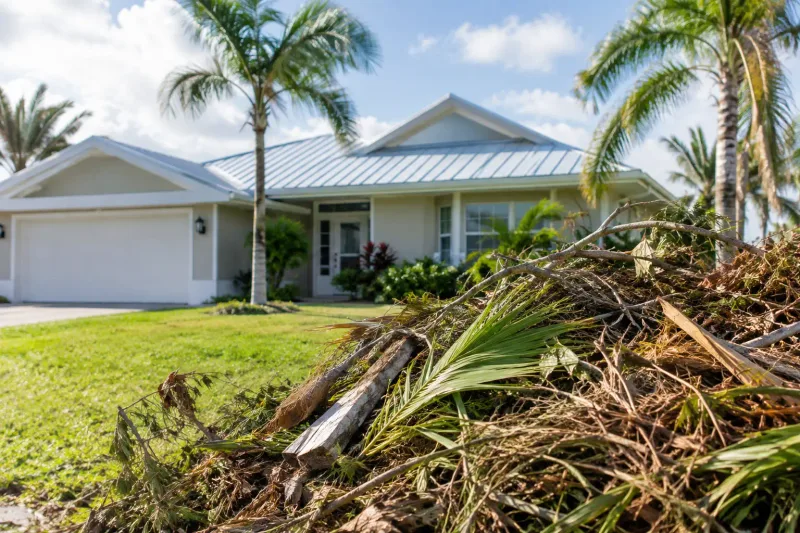
A hurricane warning is not the time to wonder whether your windows can handle a flying patio chair, a broken tree limb, or sustained pressure from a major storm. Miami Dade approved windows are designed for precisely that reality: protecting the building envelope when South Florida weather turns severe.
For homeowners and property managers, the phrase is often used as shorthand for quality. But approval alone is not a complete buying decision. The right window must be approved for its intended use, sized and configured correctly, installed to the approved details, and coordinated with the permit requirements for the property. Those details determine whether an impact-window project delivers real protection, code compliance, and lasting value.
What Miami-Dade Approval Actually Means
Miami-Dade County has some of the most demanding product-approval standards in the country because local buildings must withstand high winds and wind-borne debris. A Miami-Dade Notice of Acceptance, commonly called an NOA, documents that a specific product system has been evaluated for defined performance conditions.
That is different from saying every window carrying a familiar brand name is automatically approved for every opening. The approval applies to particular series, glass options, frame configurations, sizes, hardware, and installation methods. A single product line may include multiple approval documents and limitations.
For example, a fixed picture window, a horizontal roller, and a French door can have different pressure ratings and allowable dimensions, even when they share a manufacturer. Coastal exposure, building height, opening location, and wind zone can also change what is required. This is why a qualified contractor reviews the actual approval package rather than relying on a broad product label.
Why Approval Matters Beyond Hurricane Season
Impact-rated windows serve as a permanent protective barrier. Unlike temporary shutters or panels, they do not need to be installed when a storm is approaching. Laminated impact glass is engineered to remain in place after an impact, helping prevent a breach in the exterior envelope.
That matters because once a large opening fails during a storm, wind can enter the home or commercial space and sharply increase internal pressure. Roof loss, wall damage, and major water intrusion can follow. Properly selected impact windows help reduce that risk while giving occupants year-round visibility and daylight.
The value extends well beyond wind events. Laminated glass can make forced entry more difficult, reduce outside noise, and filter a portion of UV exposure that can fade flooring, furniture, and artwork. Modern frame and glass packages can also improve comfort near windows and help reduce the strain placed on air-conditioning systems.
Results depend on the product configuration. Glass tint, low-E coatings, frame material, air leakage ratings, and the condition of surrounding walls all affect energy and sound performance. A homeowner should expect a clear explanation of these trade-offs instead of a one-size-fits-all promise.
Miami Dade Approved Windows and Florida Building Code
Miami-Dade approval is an important credential, but the finished project must also comply with the applicable Florida Building Code and local permitting requirements. In much of South Florida, impact protection requirements apply to exterior openings in the High-Velocity Hurricane Zone. Outside Miami-Dade, local jurisdictions may use Florida Product Approval requirements or accept Miami-Dade NOAs under their own rules.
The permit package generally needs to match the products being installed. That includes approval documents, installation instructions, engineering details where required, and information confirming that the selected units meet the design pressures for the opening. If the plans call for a particular anchoring pattern, fastener, substrate, or buck detail, installers cannot substitute their preferred method without verifying that the change is permitted.
This is also where replacement-window projects become more complex than they appear. An older home may have concrete block walls, wood framing, stucco returns, damaged bucks, or openings that are no longer square. A professional assessment identifies these conditions before installation begins, so the project can be priced and planned realistically.
Product Approval Is Not the Same as Installation Quality
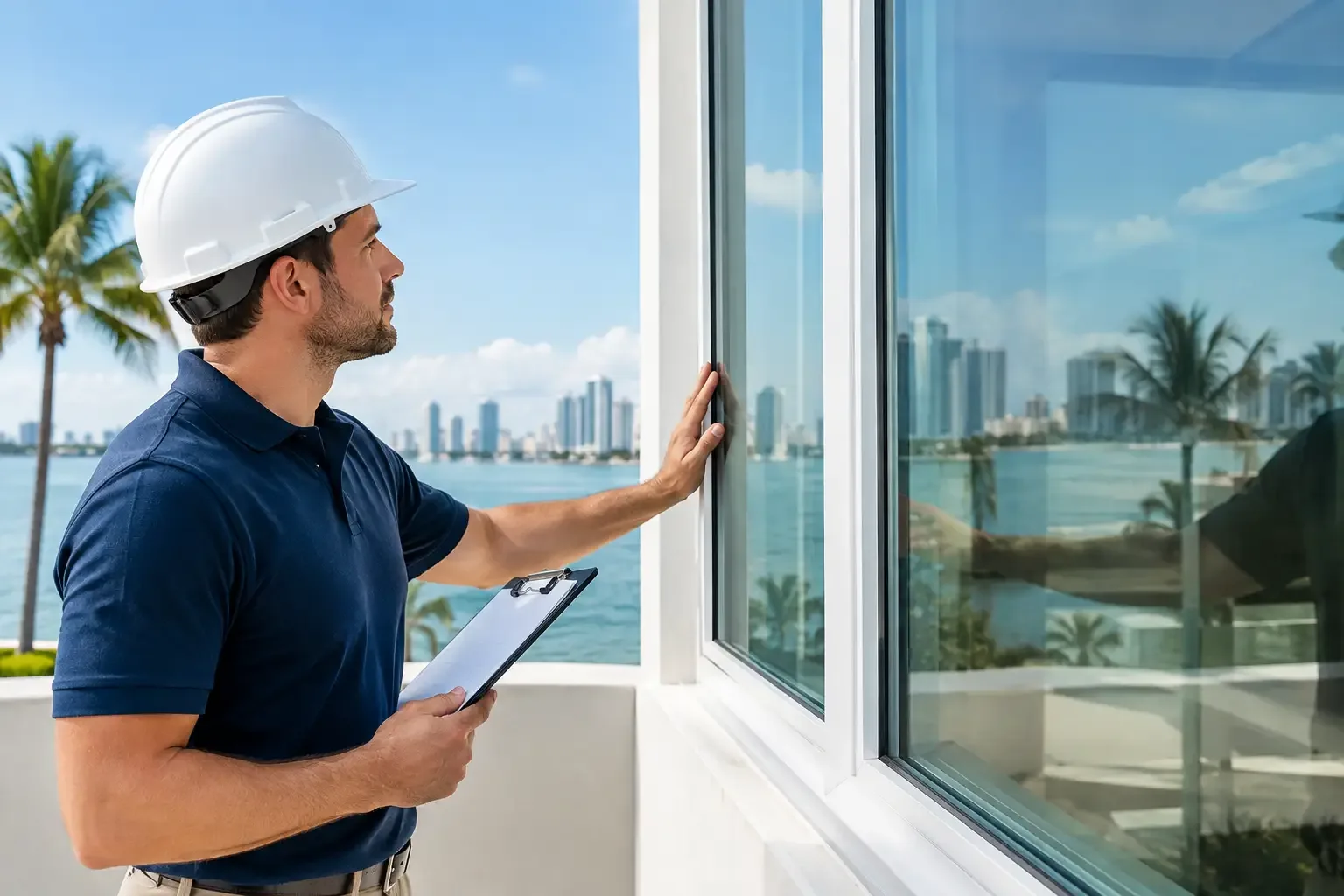
A premium window can underperform when it is measured incorrectly or anchored improperly. The approved product is only one part of the system. Installation must account for the structure, fastening schedule, edge distances, shims, sealant, flashing conditions, and exterior finish work.
Poor installation can lead to water intrusion, operational problems, air leaks, failed inspections, and avoidable damage to a new window system. It can also create confusion during a future insurance claim or property sale if permit records are incomplete. Choosing certified, experienced installers protects the investment made in the window itself.
How to Compare Impact Window Proposals
A quote should make it easy to understand what you are receiving. Start with the exact manufacturer and product series, not just a generic reference to impact windows. PGT, CGI, and ES Windows each offer different styles, finishes, glass options, and performance characteristics. The best fit depends on the architecture of the property, the opening dimensions, code needs, and the homeowner's priorities.
Ask whether the proposal identifies the glass package and frame finish. Clear laminated glass, tinted glass, low-E glass, and decorative options can affect appearance, solar heat gain, privacy, and cost. For a west-facing wall that receives intense afternoon sun, a different glass selection may make sense than it would in a shaded entryway.
Review what is included in the project scope. Window removal, disposal, interior and exterior protection, stucco repairs, trim work, permits, inspections, and final cleanup should not be vague assumptions. For condominium and HOA communities, approval packages and scheduling coordination can be just as important as the product itself.
Price matters, but an unusually low proposal may omit work that becomes necessary later. It may also rely on a different series, smaller glass area, lower-cost hardware, limited finishes, or minimal allowance for structural preparation. A comparable quote is one that compares like for like, including approval documentation and installation scope.
Choosing the Right Window Style for the Opening
Impact performance does not require a uniform look. South Florida homes can use picture windows for broad views, casement windows for ventilation, horizontal rollers for practical operation, or architectural shapes that complement a specific facade. Sliding glass doors, French doors, and multi-panel systems can extend the protection strategy to major openings as well.
The right choice is often a balance between sightlines, ventilation, maintenance, and budget. Fixed windows typically provide expansive glass and clean views, but they do not open. Casements can offer strong ventilation and a refined look, though outward-swing operation needs clearance. Horizontal rollers are familiar and efficient in many rooms, while large sliding systems can create an exceptional indoor-outdoor connection at a higher project cost.
A thoughtful design consultation considers how each room is used, how the elevation faces the sun, whether furniture blocks operation, and how the new units will look alongside existing doors, railings, and exterior finishes. The goal is not simply to fill an opening. It is to improve the property as a complete system.
Questions Worth Asking Before You Sign
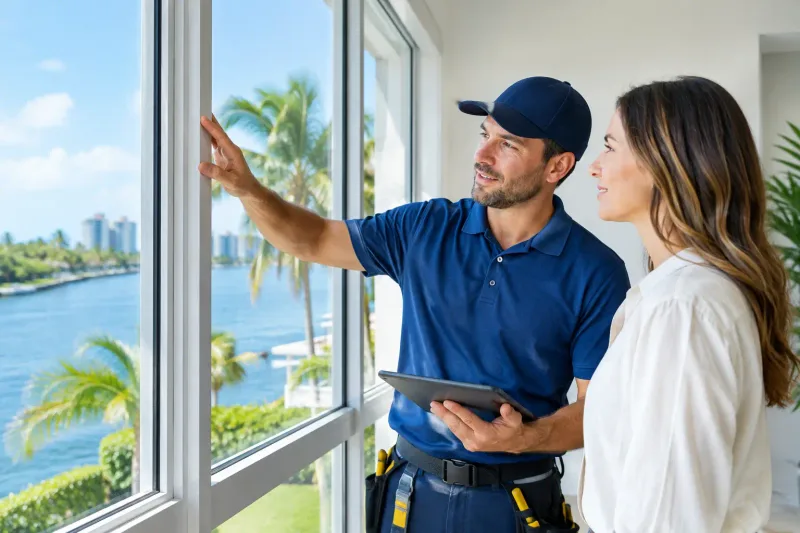
Before selecting a contractor, confirm who is responsible for verifying approvals, preparing permit documents, submitting the permit, scheduling inspections, and closing the permit after completion. Ask how measurements are confirmed and how unexpected substrate or structural conditions are handled.
You should also ask what protection crews use inside the home, how they control dust and debris, and what the cleanup process includes. Window replacement is significant work, especially in occupied homes and commercial spaces. Professional communication and respectful jobsite practices are part of a successful installation, not an optional extra.
Finally, request documentation for the installed products and retain it with your home records. Product approvals, warranties, permit information, and final inspection records can be useful for insurance discussions, future maintenance, and resale.
A Permanent Upgrade Deserves Full Accountability
Replacing non-impact windows or aging doors is a long-term decision about safety, comfort, appearance, and property value. The strongest outcome comes from matching approved products to the building, completing the installation to code, and managing the process carefully from measurement through final permit closure.
Avrax Impact Windows & Doors helps South Florida property owners make that decision with product guidance, permitting support, professional installation, and a clean, accountable project process. A free estimate is the right place to start when you want protection that is designed for your home, not merely advertised for it.