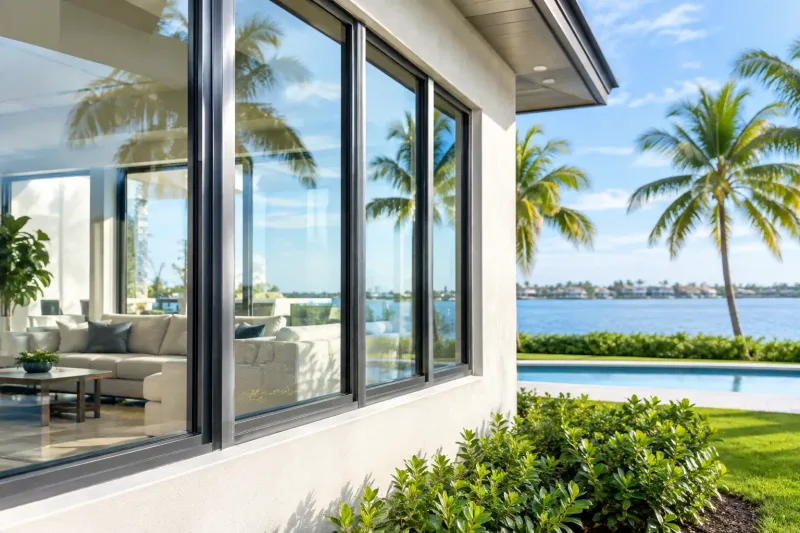
Hurricane resilient home trends are reshaping South Florida properties with impact glass, stronger doors, smarter design, and code-ready upgrades today.
A South Florida home no longer has to look fortified to be prepared for a major storm. The strongest hurricane resilient home trends are moving away from temporary panels and toward permanent exterior systems that protect the opening, improve daily comfort, and preserve the architecture homeowners want. For many properties, the center of that shift is impact-rated windows and doors designed for the local wind zone, professionally installed, and properly permitted.
This is more than an upgrade for storm season. A well-planned exterior opening replacement can address windborne debris, water intrusion, forced entry, UV exposure, outside noise, and inefficient older glass in a single project. The right solution depends on the home, its location, its existing conditions, and the applicable Florida Building Code requirements.
Hurricane Resilient Home Trends Start With the Building Envelope
Hurricanes do not only damage a home through a dramatic broken window. Once an opening fails, wind pressure can enter the structure and create forces that affect the roof, walls, and other vulnerable components. That is why current resilient-home planning focuses on maintaining a continuous, protected building envelope.
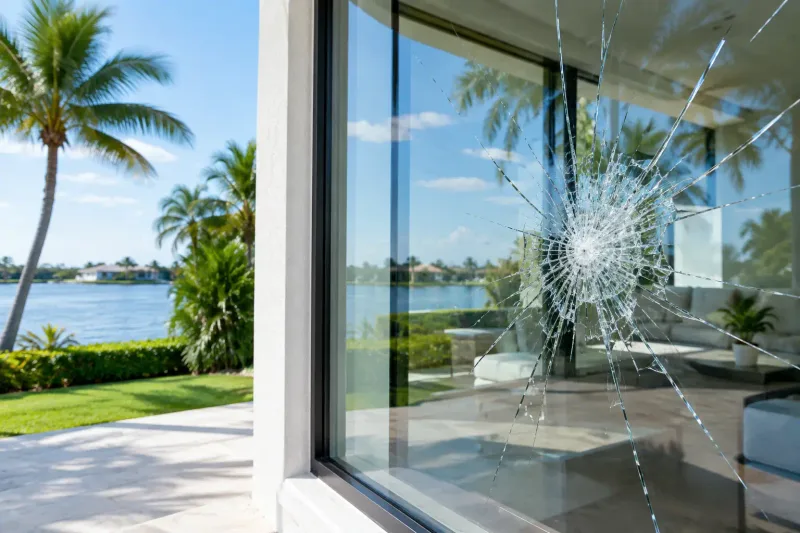
Impact windows and doors are a leading part of that strategy. Unlike conventional glass, impact-rated glazing is engineered and tested to resist repeated pressure cycling and impacts from windborne debris. Laminated glass holds together after an impact, helping maintain the opening even when the outer pane is cracked.
For South Florida homeowners, approval ratings matter. Products should be selected based on the building location, design pressure requirements, opening size, configuration, and code requirements, not simply because they are marketed as hurricane windows. Miami-Dade approvals and Florida Building Code compliance provide meaningful benchmarks, but product performance is only one part of the equation. Accurate measurements, suitable anchoring, proper sealant application, and experienced installation are equally essential to the system's performance.
Permanent Protection Is Replacing Seasonal Preparation
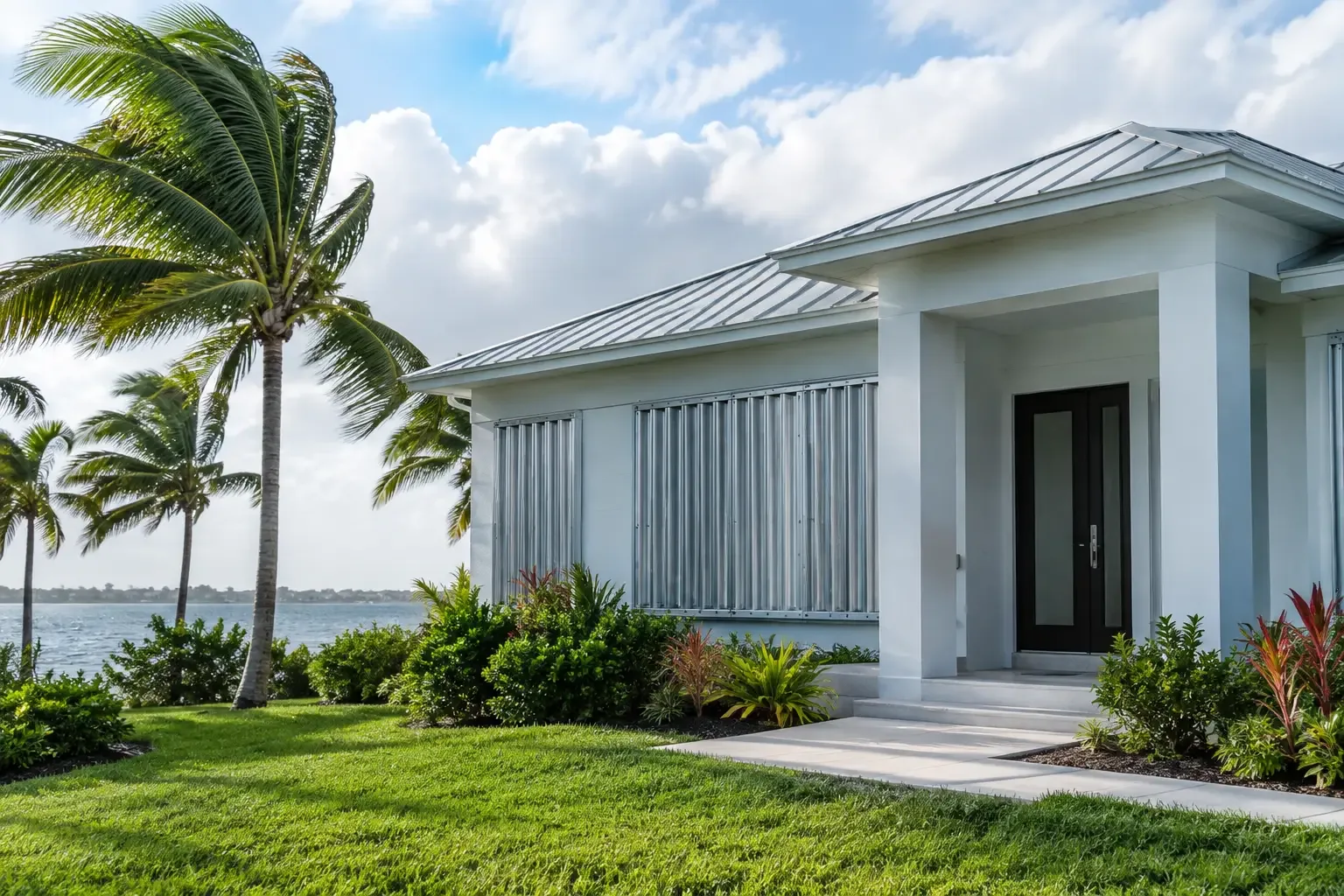
Many established homes still rely on aluminum panels, plywood, accordions, or shutters that must be deployed when a storm approaches. Those options can remain appropriate in certain circumstances, especially when a full replacement project is being phased over time. But homeowners increasingly prefer protection that is already in place when the forecast changes.
Permanent impact glass eliminates the scramble to locate panels, schedule help, lift heavy materials, and secure every opening under time pressure. It also allows natural light to remain available during a storm rather than closing the home behind solid coverings. That practical convenience is one reason impact upgrades have become a long-term property decision rather than a purely defensive purchase.
The trade-off is upfront cost. Impact windows and doors typically require a greater initial investment than conventional replacement units or basic shutters. However, owners often weigh that cost against reduced storm preparation, improved security, possible insurance considerations, lower cooling demands, and a more marketable property. Financing can also make a complete project more attainable without postponing critical openings year after year.
Larger Glass Openings Need Better Engineering
South Florida architecture continues to favor bright interiors, wide views, and an indoor-outdoor connection. Expansive sliding glass doors, corner configurations, French doors, and oversized fixed windows are increasingly common in renovations and new construction. The trend is not toward less glass. It is toward glass systems engineered to do more.
Multi-panel sliding systems can create a dramatic opening to a patio, pool deck, or waterfront view while still meeting demanding performance requirements when correctly specified. Reinforced frames, laminated impact glass, hardware, interlocks, and installation details all work together. A beautiful door that is undersized for the opening, improperly anchored, or poorly sealed is not a resilient design choice.
This is where customization matters. The best configuration may be a large slider in one area and a more compact French door or single entry system in another. Site exposure, opening width, floor conditions, egress needs, and the way a family uses the space should guide the selection. A knowledgeable contractor will not treat every opening as interchangeable.
Entry Doors Are Becoming a Security and Storm Upgrade
Homeowners are also replacing aging decorative doors and basic front entries with reinforced impact-rated entry systems. A modern entry door can strengthen a home's first impression while adding meaningful protection against wind-driven debris and attempted intrusion.
The design choices are broader than many buyers expect. Glass inserts, sidelites, transoms, finishes, and hardware can be coordinated with the window package, allowing a home to gain protection without losing its character. For coastal homes, material selection and finish durability deserve extra attention because salt air and humidity can accelerate wear.
Energy Efficiency Is Now Part of Hurricane Planning
Storm protection and energy performance are increasingly evaluated together. Older single-pane glass, worn frames, and poorly functioning sliding doors can allow heat gain, UV exposure, and air leakage that homeowners feel every day. Replacing them with impact-rated systems can improve interior comfort while reducing strain on air-conditioning equipment.
Glass selection should be purposeful. Tint, low-emissivity coatings, visible light transmission, and solar heat gain performance affect how a room looks and feels. A west-facing great room may need a different glazing approach than a shaded front elevation. Darker glass can reduce glare and solar heat, but it can also change the amount of natural light entering the home. Clearer glass may preserve a brighter view while requiring a different performance balance.
A strong recommendation considers the whole elevation rather than promising that one glass option is best for every room. Homeowners should also remember that window performance is influenced by the complete installed unit, not the glass alone.
Quiet Interiors and Everyday Security Add Value
A hurricane-ready home should work for the other 360 days of the year. Laminated impact glass can help reduce outside noise from traffic, landscaping, construction, or nearby commercial activity. For homes near busy roads, airports, or dense neighborhoods, that day-to-day benefit can be as noticeable as the storm protection.
Security is another factor. Impact glass and reinforced doors create a more difficult barrier to breach than conventional windows. They are not a substitute for sensible locks, lighting, alarms, or safe habits, but they can add valuable resistance and peace of mind. This is especially relevant for second homes, vacant properties, and commercial spaces where owners want protection that remains active at all times.
Code Compliance and Permitting Are Becoming Non-Negotiable
One of the most significant hurricane resilient home trends is less visible than a new window wall: property owners are asking better questions about approvals, permits, and installation standards. They understand that an exterior upgrade affects safety, insurance documentation, resale records, and long-term accountability.
In South Florida, permitting requirements can vary by municipality, and condominium or HOA communities may have their own architectural review process. A project can be delayed when product documents, drawings, color selections, or approval packages are incomplete. Managing those details early protects the schedule and prevents homeowners from carrying unnecessary administrative work.
A full-service contractor should coordinate product selection, field verification, permit documentation, HOA requirements where applicable, removal of existing units, installation, cleanup, and final project completion. Avrax Impact Windows & Doors approaches the process as one connected responsibility because a premium product deserves disciplined execution from the first consultation through permit closure.
Installation Quality Is a Trend That Should Never Be Optional
A common mistake is comparing replacement proposals by glass area or price alone. The installation scope deserves the same scrutiny as the product brand. Homeowners should understand how existing frames will be removed, how the new units will be anchored, what sealant and waterproofing details are included, how interior and exterior finishes will be handled, and who is responsible for inspections.
Older homes may reveal conditions that are not visible until removal begins, including deteriorated substrates, uneven openings, or prior water damage. A responsible contractor explains how such conditions will be documented and addressed rather than treating them as an afterthought. Clear communication during this stage protects both the property and the homeowner's expectations.
Designing a Resilient Upgrade That Fits the Property
The best project is rarely a one-size-fits-all package. A homeowner replacing a few failing bedroom windows may prioritize targeted protection and budget control. Someone renovating a waterfront residence may prioritize large impact sliders, elevated aesthetics, and high-performance glass. A commercial owner may need code-compliant storefront-style glazing and reliable project coordination around business operations.
Start with the openings that create the greatest vulnerability or daily frustration. Then consider whether a phased approach makes sense or whether completing the full envelope at once will produce a more consistent appearance, performance level, and permitting process. In either case, ask for clear product approvals, detailed scope language, installation credentials, and a realistic schedule.
The most valuable resilient-home trend is not a particular frame color or door style. It is the decision to treat windows and doors as permanent protective systems, chosen for the property and installed with the same care expected from the product itself. That approach helps a South Florida home feel brighter, quieter, safer, and more prepared long before the next storm is on the map.