
Learn how to compare window quotes in South Florida by weighing approvals, glass, installation, permits, warranties, and project scope with confidence.
A low number at the bottom of a proposal can look compelling until you find out it excludes permits, uses a different glass package, or leaves removal and disposal to someone else. When you compare window quotes for a South Florida property, the goal is not simply to identify the lowest price. It is to determine which proposal delivers verified hurricane protection, proper code compliance, and a fully accountable installation.
Impact windows and doors are a long-term exterior investment. They protect against windborne debris, improve security, reduce outside noise, and can help manage heat gain. Those results depend on the entire project, from the product approval and measurements to fastening methods, inspections, and final permit closure.
Compare Window Quotes Beyond the Bottom Line
Two quotes can show the same number of windows and still represent very different projects. One contractor may be pricing a Miami-Dade-approved impact system with laminated glass, engineered anchoring, permit management, and full interior and exterior finish work. Another may list a base product with limited scope language and allowances that increase later.
Start by confirming that each quote covers the same openings, product type, and performance level. A proposal should identify whether the units are single-hung, casement, fixed, sliding, picture, or architectural shapes. For doors, it should specify the configuration, panel count, swing direction, hardware, screens, and threshold details. If one proposal is vague, it cannot be compared accurately against a detailed scope.
The most useful comparison is line by line. Ask each contractor to clarify what is included before treating one total as a true savings. A clear quote protects both the property owner and the contractor because expectations are documented before production begins.
Verify Product Approvals and Hurricane Performance
South Florida is not a market for generic window specifications. Your quote should identify impact-rated products approved for the intended application and compliant with the applicable Florida Building Code requirements. In Miami-Dade and other high-velocity hurricane zones, this is especially critical.
Look for the manufacturer, series name, glass configuration, and approval information. Premium manufacturers such as PGT, CGI, and ES offer multiple product lines with different profiles, design pressures, glass options, finishes, and operating features. Saying a window is "impact" is not enough to establish that it is the right system for your home, opening size, exposure, or local jurisdiction.
Ask how the quoted units address wind pressure and impact resistance at your specific openings. Larger glass panels, upper-floor installations, corner conditions, and coastal exposure can require different engineering than a standard opening. If a quote uses an allowance for engineering or does not address it at all, request clarification before signing.
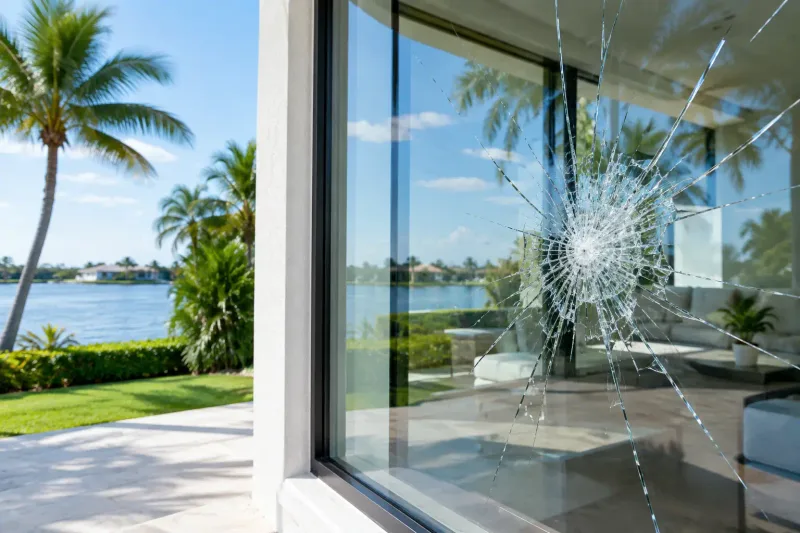
Glass deserves equal attention. Laminated impact glass is made to remain in place after impact, helping maintain the building envelope during a storm. But glass tint, low-emissivity coatings, insulation levels, privacy treatments, and decorative options can all affect price and performance. A lower quote may use a basic glass package while another includes energy-conscious glazing designed for South Florida sun exposure.
Evaluate What the Installation Price Actually Includes
A premium impact window can underperform if it is measured incorrectly or installed without the required attachment, sealing, and finishing practices. Installation is not a minor line item. It is the work that connects an approved product to the building safely and correctly.
Read the scope for removal of existing windows or doors, substrate preparation, anchoring, sealants, flashing where applicable, trim, stucco repair, drywall repair, painting, and debris removal. Existing conditions matter. Replacing old aluminum frames in a concrete block home is different from installing new units in a wood-frame opening or replacing oversized sliding glass doors.
Be cautious with broad phrases such as "installation included" when the quote does not describe finish work. A contractor may legitimately exclude repairs that cannot be identified until old units are removed, but the quote should explain how unforeseen conditions are handled. Ask whether change orders require written approval and how the contractor prices concealed damage, deteriorated framing, or needed structural corrections.
The crew’s qualifications should also be part of the decision. Certified installation practices, experienced supervision, careful protection of interior finishes, and a clean jobsite reduce disruption and help preserve the performance promised by the manufacturer. At Avrax Impact Windows & Doors, the project approach includes coordinating the work from product selection through installation, cleanup, and completion rather than treating the window as a stand-alone material purchase.
Confirm Permits, HOA Support, and Inspection Responsibility
Permitting is often where an inexpensive-looking quote becomes less inexpensive. In South Florida, impact window and door replacement generally involves permits, plans or product approvals, inspections, and documentation. Your proposal should clearly state who pulls the permit, pays related fees, responds to municipal requests, and closes the permit after final inspection.
If you live in a condominium, townhome, or HOA-governed community, approval requirements may add another layer. Associations can require product literature, color samples, insurance certificates, contractor licensing information, architectural forms, and installation schedules. A contractor that is prepared to support the HOA process can save the owner significant administrative time.
Do not assume permit costs are included because the contractor says the work will be permitted. Look for a specific line item or written statement. Likewise, confirm whether engineering, notice of commencement filing, inspection fees, and administrative coordination are included, estimated, or excluded.
Compare Warranties and Contractor Accountability
A window warranty and an installation warranty are not the same thing. Manufacturers may cover certain defects in frames, hardware, or insulated glass units under defined conditions. The installing contractor should also explain its workmanship coverage and how service requests are handled after the project is complete.
Read the warranty language for exclusions, transferability, labor coverage, and required maintenance. For example, a manufacturer may replace a component while labor to remove and reinstall the unit is treated separately. Understanding that distinction now prevents frustration later.
Accountability also means asking practical questions. Who will be your contact during production? How are measurement changes communicated? Who manages punch-list items? What happens if a unit arrives damaged or does not fit correctly? A professional contractor should have direct, specific answers rather than relying on general assurances.
Watch for Allowances That Hide the Real Cost
Allowances are not automatically a problem. They can be appropriate when a selection or site condition is genuinely unknown. They become risky when too much of the project is left open-ended.
Review every allowance for doors, hardware, permits, finish repairs, structural work, and specialty glass. Ask what assumptions were used and what would trigger an added charge. If one quote includes reinforced entry doors, upgraded handles, insect screens, and finish work while another treats each item as optional, their totals are not equivalent.
Also compare payment schedules. A reasonable deposit structure, documented milestones, and a final payment tied to completion offer more protection than a proposal that requires most of the project cost before materials are delivered or work is performed. Financing can make a major upgrade more manageable, but it should not replace a careful review of the underlying scope.
Use a Consistent Quote Comparison Checklist
Before making a decision, place each proposal beside the same set of questions:
- Are the manufacturer, series, glass package, finishes, and approval details identified?
- Does the proposal cover every opening and accurately state the door or window configuration?
- Are removal, installation, anchoring, sealants, finish repairs, and cleanup defined?
- Who handles permits, HOA documentation, inspections, and final closure?
- Which costs are fixed, which are allowances, and what could create a change order?
- What manufacturer and workmanship warranties apply after installation?
If a contractor cannot provide enough detail for these questions, ask for a revised proposal. The right partner will welcome the opportunity to make the scope clear.
A well-compared quote gives you more than a number to approve. It gives you confidence that the impact windows or doors installed at your property are designed for the conditions they will face, permitted correctly, and supported by a contractor who remains responsible when the work is finished.