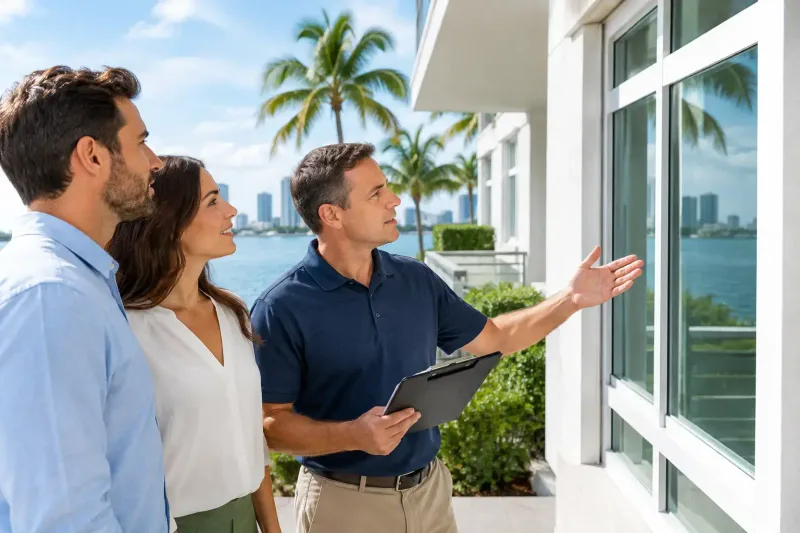
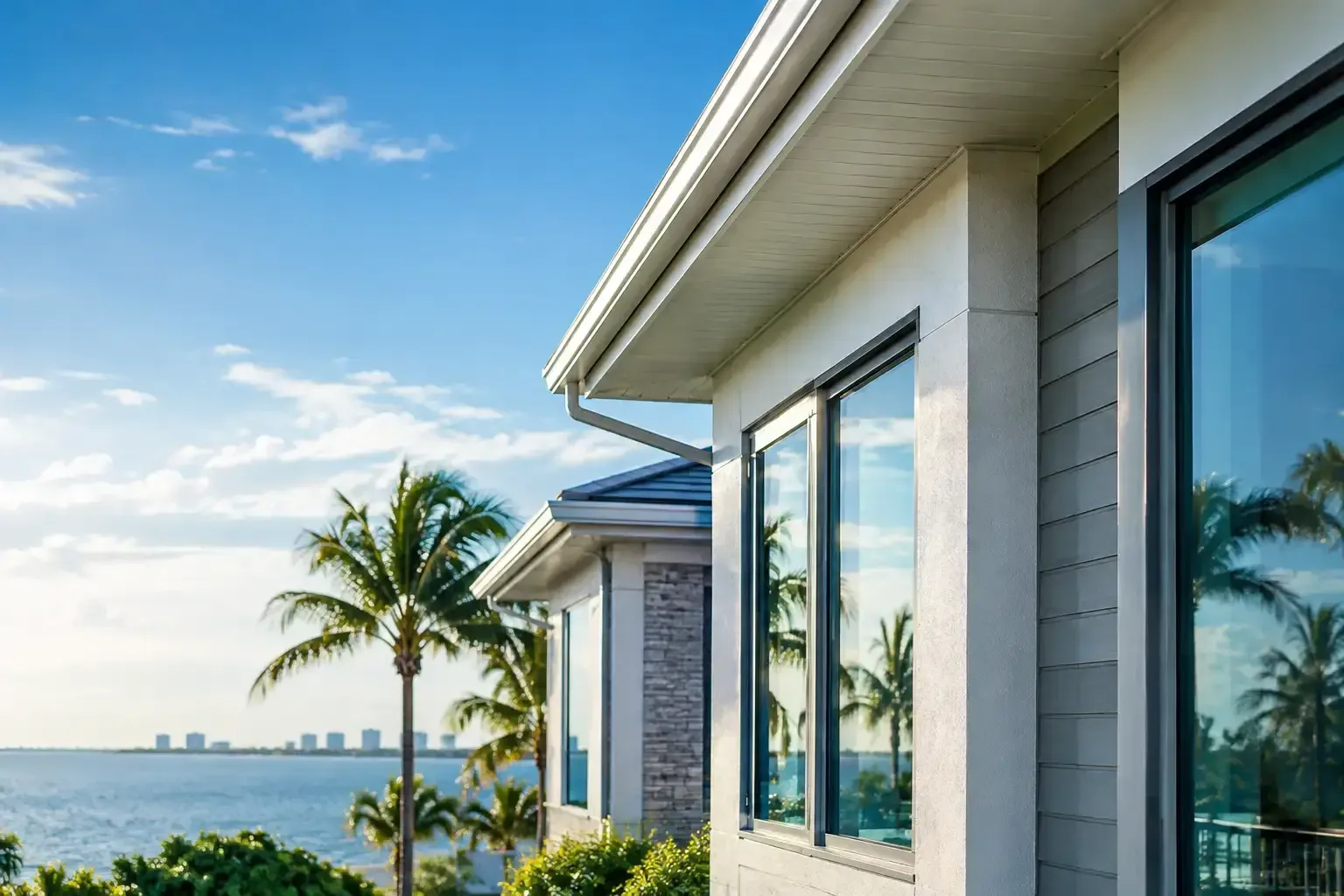
Resilient building envelope trends are changing how South Florida properties handle hurricanes, heat, security, and long-term code compliance demands.
A hurricane does not test a window or door in isolation. It tests the full chain of protection around the opening: the glass, frame, hardware, anchors, sealants, wall conditions, drainage, and installation. That is why resilient building envelope trends are moving South Florida property owners away from piecemeal upgrades and toward permanent, professionally coordinated exterior systems.
For homeowners, this shift means more than replacing storm panels or old aluminum sliders. It means investing in an exterior that can help protect the people inside, reduce weather-related uncertainty, improve daily comfort, and meet the applicable requirements for the property. For commercial owners, it means safeguarding occupied spaces, equipment, tenant areas, and the architectural finish of the building.
Resilient Building Envelope Trends Start at the Openings
The building envelope is the physical barrier between conditioned interior space and the outside environment. Roofs, walls, windows, exterior doors, flashing, and sealing details all play a role. In South Florida, windows and doors deserve particular attention because they are among the largest and most exposed openings in that barrier.
Impact-rated glazing is no longer viewed only as a hurricane-season purchase. It has become a long-term exterior upgrade that combines windborne-debris protection with everyday benefits such as security, noise reduction, ultraviolet filtering, and improved energy performance. Instead of storing panels, scheduling installation before a storm, and removing them afterward, property owners increasingly want protection that remains in place year-round.
This trend is especially relevant for older homes with single-pane glass, worn tracks, corroded frames, loose seals, or conventional entry doors. Those conditions may affect comfort and water resistance well before a named storm arrives. Replacing aging units with properly specified impact windows and doors can address several weaknesses in one coordinated project.
Bigger Glass Requires Better Engineering
South Florida architecture continues to favor brighter interiors, wide views, indoor-outdoor living, and large openings. Multi-panel sliders, expansive fixed glass, French doors, and custom entry systems can transform a property. They also demand more disciplined design and installation than a standard replacement window.
The trend is not simply toward more glass. It is toward better-engineered glass systems selected for the actual opening, exposure, building type, and required design pressures. A large slider facing open water or a high-exposure elevation may have very different requirements from a smaller protected opening. Product selection should follow approved documentation and applicable code requirements, not appearance alone.
This is where comparisons based only on visible frame size or a headline rating can become misleading. The glass package, frame configuration, hardware, reinforcement, anchoring method, and installation conditions all matter. A high-performing product can only deliver its intended protection when it is installed according to its approval and the conditions of the structure.
For properties with oversized or specialty openings, the practical question is often not, “What is the biggest system available?” It is, “What system can be properly engineered, permitted, installed, and maintained at this location?” That distinction protects the investment and helps avoid design decisions that create complications later.
Performance is a system, not a label
Miami-Dade approvals, Florida Building Code requirements, and manufacturer installation instructions are central to resilient-envelope decisions. They provide a framework for evaluating products and installation details, but they are not interchangeable shorthand for every property’s needs.
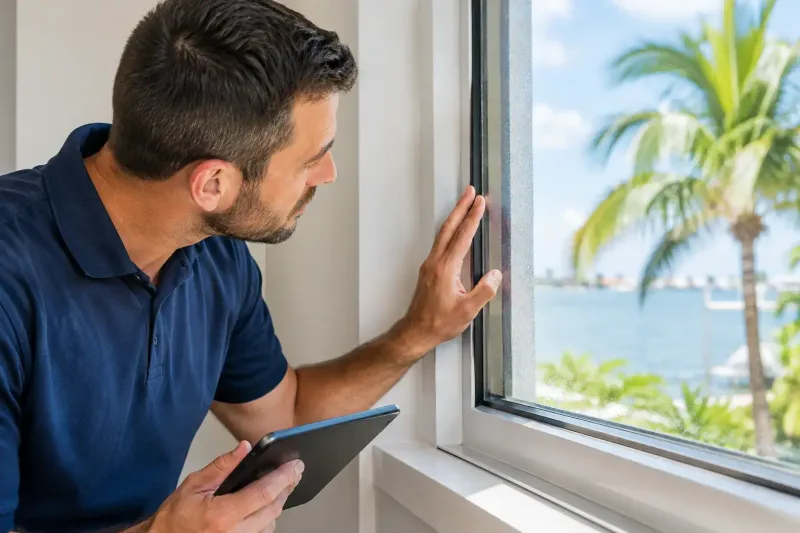
A responsible contractor reviews the existing opening, substrate, wall condition, glass configuration, and installation approach before recommending a solution. In some replacement projects, hidden conditions behind old frames can require additional preparation or repair. Addressing those conditions openly is part of accountable project management, not an unexpected add-on to ignore.
Energy Efficiency Is Becoming a Year-Round Expectation
Hurricane protection remains the first priority for many South Florida buyers, but heat gain and air-conditioning demand are shaping more decisions. Owners are paying closer attention to insulated glass, low-emissivity coatings, tint options, frame materials, and air and water sealing around the opening.
The right glass choice depends on the building and the owner’s priorities. A home with strong afternoon sun exposure may benefit from a glass package designed to manage solar heat gain, while another owner may place more value on visible light, a neutral appearance, or a particular architectural style. Darker glass is not automatically better, and neither is the highest-performance specification if it changes the look of the home in a way the owner does not want.
The most effective approach considers comfort alongside protection. Properly fitted impact windows and doors can help reduce drafts, limit outside noise, and make rooms near large glass openings more usable. Energy savings can be meaningful over time, but actual results depend on the condition of the rest of the home, HVAC performance, shading, orientation, and occupant behavior.
Water Management Is Getting the Attention It Deserves
Wind pressure is only one part of hurricane performance. Wind-driven rain can exploit weak seals, poor transitions, deteriorated caulking, and installation details that do not direct water properly away from the opening.
That is why one of the most important resilient building envelope trends is greater attention to the perimeter of the window or door. Experienced installers evaluate how the new system will meet the existing wall, sill, finish, and exterior conditions. They use approved fastening, sealing, and finishing methods suited to the product and opening rather than treating installation as a simple swap.
For homeowners, much of this work is not visible after completion. That does not make it less valuable. Clean exterior finishes, properly sealed transitions, correctly adjusted hardware, and disciplined water-management details help preserve both the function and appearance of the project.
This also explains why the lowest proposal is not always the lowest-cost decision. A quote should clearly identify the product, glass, scope of removal, installation method, permit responsibility, finishing expectations, and any work excluded from the price. Comparing only the number at the bottom of the page can leave out the details that determine long-term performance.
Permanent Protection Is Replacing Temporary Storm Routines
For many established South Florida properties, the next envelope upgrade begins with removing the burden of temporary protection. Metal panels, shutters, and plywood may serve a purpose, but they require storage, labor, scheduling, and physical effort when a storm is approaching. They can also limit light and visibility when owners need to prepare their homes.
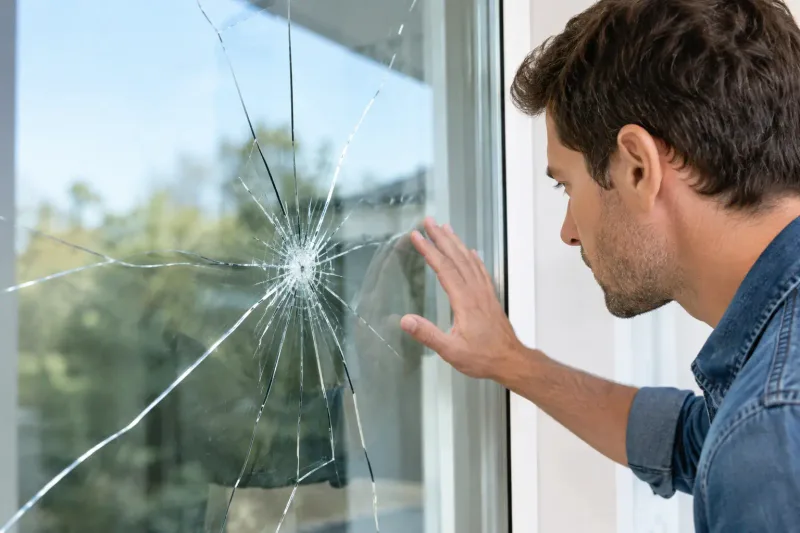
Impact windows and doors offer a permanent alternative that remains part of the property every day. In addition to storm protection, laminated impact glass can make forced entry more difficult than conventional glass, helping strengthen the security profile of ground-floor windows, patio doors, and entry areas.
There are still cases where shutters remain appropriate. Some property owners prefer layered protection for specific exposures, historic requirements, budget considerations, or insurance-related reasons. Resilience is not a one-size-fits-all package. The goal is to identify a solution that provides appropriate protection without creating unnecessary operational burden.
Customization Now Has to Work With Compliance
Premium exterior upgrades increasingly blend performance with design. Property owners want slim sightlines, modern black frames, coastal finishes, decorative glass, broad door panels, and configurations that improve curb appeal. Commercial projects may need storefront-style visual consistency, interior glass partitions, railings, or specialty glazing that supports a polished customer experience.
The strongest projects do not treat design and compliance as competing priorities. They coordinate them early. A preferred door style or window configuration must be available with the needed approval, appropriate glass, and acceptable performance for the application. HOA requirements, condominium rules, architectural preferences, and permitting documents should be addressed before materials are ordered.
This is particularly valuable in communities where exterior colors, grids, frame profiles, or opening styles require approval. Early coordination reduces the risk of a product choice that looks right in a showroom but cannot move forward through the approval process.
Full-Project Accountability Is Part of Envelope Resilience
A resilient envelope is not created when products arrive at the property. It is created through careful measuring, product selection, permit planning, removal of existing units, installation, inspection coordination, cleanup, and final closeout.
That full-project model is becoming more important as products become more technical and property owners expect less disruption. Homeowners want a contractor who can explain what is being installed, communicate scheduling clearly, protect the work area, manage permit steps, and leave the home clean. Commercial decision-makers need the same accountability, with added attention to access, operations, tenant coordination, and project phasing.
At Avrax Impact Windows & Doors, the objective is to make that process controlled from consultation through final permit closure. The right result is not just a new window or door. It is a completed exterior upgrade that supports protection, performance, appearance, and confidence in the work behind the finished frame.
Before choosing products, ask for the approval information, proposed glass configuration, installation scope, permit plan, and clear explanation of how existing opening conditions will be handled. Those answers reveal far more about the quality of a resilient building envelope than a brochure or a quick price comparison ever can.