Compare single-hung vs casement windows for South Florida homes, from hurricane ratings and ventilation to cost, maintenance, and code-ready installation.
A window that looks right in a showroom can become the wrong choice once it faces South Florida heat, wind-driven rain, salt air, and hurricane requirements. In the single-hung vs casement decision, the better option is not simply the one with the lower price or larger glass area. It is the window that fits your opening, your ventilation needs, your architectural style, and the approved impact system required for your property.
For homeowners replacing older aluminum windows, both styles can be available with impact-rated glass and reinforced frames. The key is comparing complete, approved assemblies - not just the operating style. A properly selected and professionally installed window can help protect your family, reduce outside noise, improve energy performance, and eliminate the recurring work of putting up temporary hurricane panels.
Single-Hung vs Casement: The Core Difference
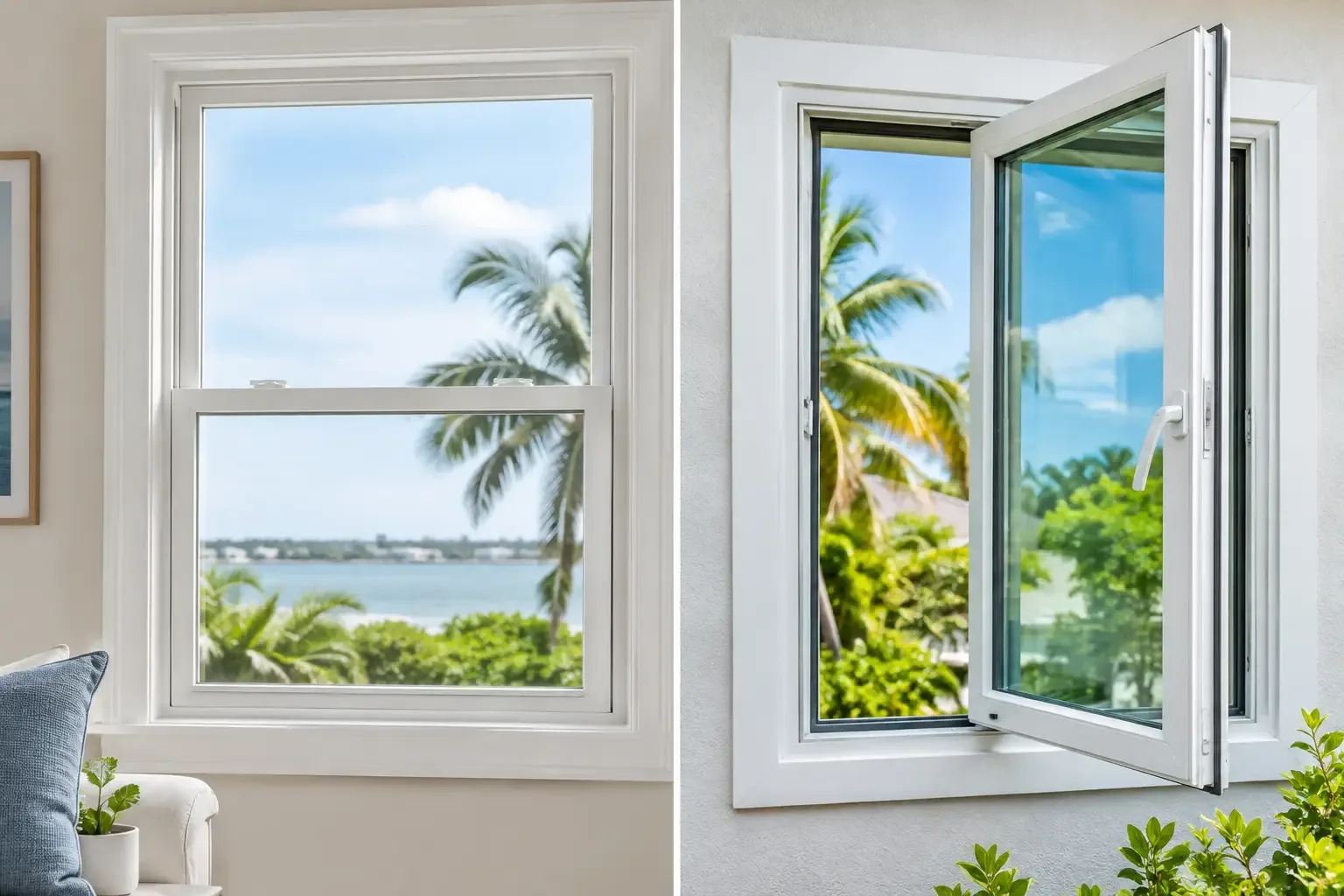
A single-hung window has two sashes arranged vertically. The bottom sash moves up and down, while the upper sash remains fixed. This familiar design is common in traditional homes, condos, and properties where a clean, straightforward window profile is the goal.
A casement window is hinged on one side and swings outward using a crank mechanism. When open, it functions more like a narrow glass door. Casements are often selected for contemporary elevations, hard-to-reach areas above counters, and rooms where homeowners want a wider, more directed airflow path.
Neither style is automatically more hurricane-resistant. In South Florida, performance depends on the specific manufacturer approval, glass package, frame construction, size, configuration, anchoring method, and installation conditions. A Miami-Dade Notice of Acceptance or applicable Florida Product Approval must match the exact product being installed.
How Each Window Handles Ventilation
Ventilation is where the difference becomes immediately noticeable.
With a single-hung window, opening the lower sash creates a horizontal opening across the bottom portion of the unit. It is simple to operate and effective for routine ventilation in bedrooms, hallways, and living areas. Because only one sash moves, the open area is typically limited to roughly half of the overall window height.
A casement can open nearly the full width of its operable panel. Its outward-swinging sash may also catch side breezes and direct them into the room, which can be useful where prevailing winds reach one side of the home. For a kitchen window behind a sink or a bathroom window where airflow matters, the crank operation can be especially convenient.
That advantage comes with a practical consideration: a casement needs clear exterior swing space. Landscaping, walkways, pool decks, shutters, screens, and neighboring architectural features all need to be considered before selecting it. In a tight side yard or along a heavily traveled walkway, an outward-opening sash may be less practical than a single-hung design.
Hurricane Protection and Code Compliance
For a South Florida property, window selection begins with protection, not appearance. Impact windows are engineered as systems. Laminated glass helps hold together when struck by debris, while reinforced frames, glazing details, hardware, and anchors help the complete assembly resist positive and negative wind pressures.
Both single-hung and casement impact windows can be designed for demanding wind zones. However, approved dimensions and design pressures vary by product line and configuration. A large casement panel may have different limitations than a smaller one. A single-hung unit installed in a high-rise, coastal exposure, or corner opening may require a different solution than the same unit installed in a protected inland location.
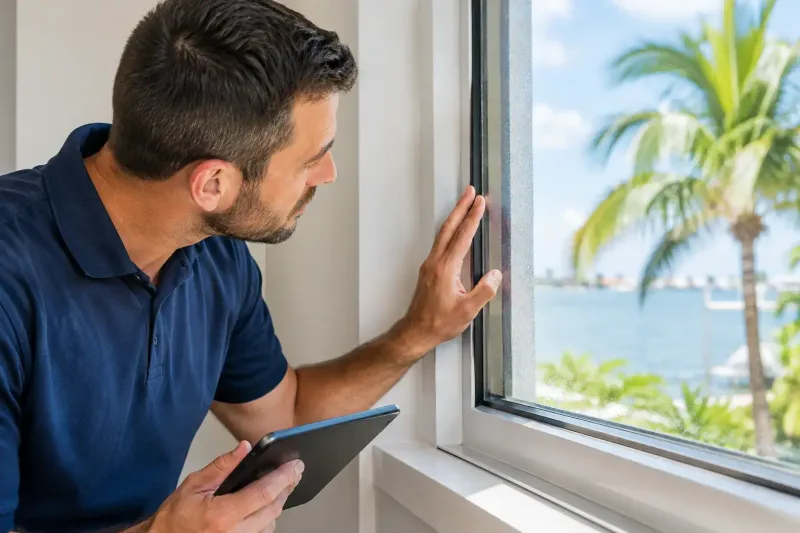
This is why product labels alone are not enough. “Impact resistant” does not confirm that every size or arrangement is approved for every opening. A qualified contractor should evaluate your address, building type, elevation, exposure category, existing opening conditions, and local permit requirements before finalizing the window schedule.
For condominiums and HOA-governed communities, the process can also involve association approval for frame color, sightlines, glass tint, grid patterns, and exterior appearance. Planning these details before ordering helps prevent costly changes and project delays.
Security, Water Resistance, and Everyday Use
Impact glass adds an important layer of security because laminated interlayers make forced entry more difficult than standard annealed glass. Still, the operating style affects how the window performs in daily use.
Single-hung windows have fewer moving components. Their simple vertical operation can make them a practical choice for homeowners who prefer familiar hardware and a traditional look. Quality balances, locks, weatherstripping, and frame drainage are essential, particularly in humid, rain-heavy conditions.
Casement windows use multi-point locking hardware that pulls the sash tightly against its weather seals when closed. This can provide excellent resistance to air and water infiltration when the unit is properly manufactured, installed, and maintained. The trade-off is that casements have more mechanical components, including hinges, operators, and locks. Those components should be kept clean, operated correctly, and serviced if salt air or heavy use causes wear over time.
A casement is not a better choice merely because it feels more substantial when locked, and a single-hung is not inferior because its operation is simpler. The quality of the approved system and installation matters more than the sales-floor impression of one style versus another.
Aesthetics and Glass Area
Single-hung windows suit many South Florida homes because their vertical proportions work well with Mediterranean, transitional, and traditional architecture. They can create a consistent rhythm across bedrooms and front elevations, especially when multiple units are aligned. Their fixed upper sash also gives the exterior a clean, symmetrical appearance.
Casements often create a more contemporary, expansive look. Since they can be configured as individual panels, pairs, or combinations with fixed picture windows, they are useful where homeowners want broad views and more natural light. A fixed center panel flanked by operable casements, for example, can deliver a large glass opening without making every panel operable.
Frame color, glass tint, grid design, and sightline proportions deserve as much attention as the operating style. The right window should complement the home from the street while supporting how the room feels from inside. On a waterfront property, maximizing the view may take priority. On a historic or traditional façade, preserving familiar window proportions may matter more.
Cost: Look Beyond the Initial Quote
Single-hung windows are often less expensive than comparably sized casement units because they use less complex operating hardware. That can make them a strong value for projects with many standard-sized openings.
Casements may cost more due to their hinges, crank operators, locking systems, and configuration options. The added cost can be worthwhile in specific locations, such as above a kitchen sink, in a room that needs stronger ventilation, or on an elevation where a modern glass-forward design is a priority.
The lowest quote is rarely the best measure of value for an impact-window project. Pricing should account for the approved product, glass specification, removal of existing units, opening preparation, anchoring, sealants, permits, inspections, cleanup, and warranty support. If a quote does not clearly address these items, the final cost and performance risk may be higher than expected.
Which Style Is Right for Your Home?
Choose single-hung windows when you want a classic appearance, straightforward operation, and an efficient solution for standard openings. They are often an excellent fit for bedrooms, repeat window layouts, and projects where maintaining a consistent exterior profile is important.
Choose casement windows when you want broad operable glass, targeted airflow, and a more contemporary architectural expression. They can be particularly effective in kitchens, bathrooms, view-facing rooms, and locations where reaching a vertical sash would be inconvenient.
Many homes benefit from both. A carefully designed project might use single-hung windows for bedroom elevations and casements or fixed-and-casement combinations in central living areas. Matching the style to the room and exposure can produce a better result than forcing one window type throughout the property.
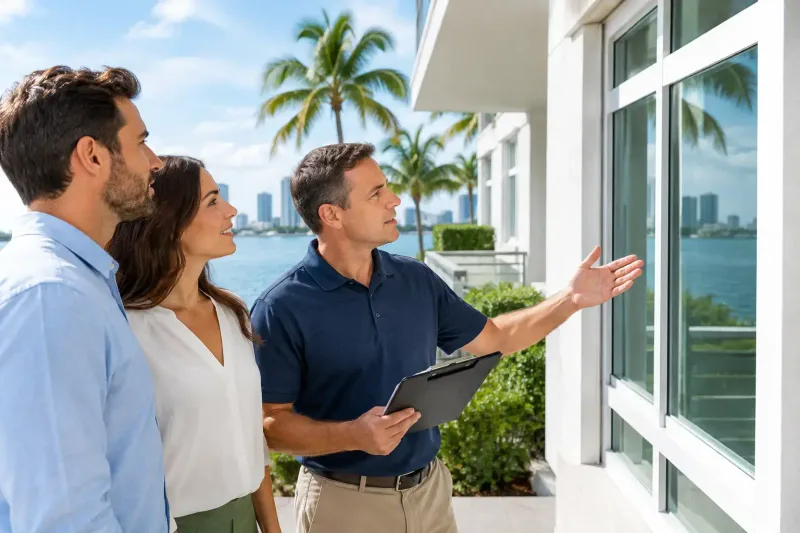
The final decision should be made after an on-site assessment, not from a catalog image. Avrax Impact Windows & Doors evaluates the full picture - product approvals, wind requirements, opening conditions, design goals, permits, and installation details - so the windows you select are built for the way South Florida properties actually perform. The best window is the one that lets you enjoy more light and fresh air while giving you confidence when the forecast turns serious.