
A PGT window performance review for South Florida owners: storm protection, energy performance, noise control, customization, and installation quality
A PGT window performance review should start where South Florida homeowners feel the consequences most: during a hurricane warning, on a noisy street, and in rooms that run hot despite constant air conditioning. A window is not simply glass in a frame. It is part of the building envelope, a security barrier, and a code-regulated system that must perform when wind pressure, windborne debris, heat, and moisture put it to work.
PGT is a recognized name in Florida impact windows and doors because its product lines are built around the demands of coastal construction. Still, the right decision depends on the exact series, glass package, opening size, building location, and installation method. A strong product can only protect a home as designed when it is correctly specified, permitted, and installed.
What PGT Windows Are Designed to Deliver
PGT impact windows use laminated glass, typically built with two panes bonded by a durable interlayer. If the exterior glass breaks from a strike, the interlayer is intended to hold the broken glass together and maintain the opening’s protective barrier. That performance matters because a breached window can allow wind pressure into a home, increasing the risk of major roof and structural damage during a storm.
For a South Florida property, impact resistance is not the only measure that matters. The complete window assembly must be evaluated for the conditions of the project. That includes positive and negative design pressures, exposure category, elevation, opening dimensions, frame type, and the product approval applicable to the selected configuration.
PGT offers a broad range of impact-rated options, including single-hung, casement, horizontal roller, fixed, awning, and architectural shapes. This flexibility is valuable for homes replacing older aluminum windows, updating large waterfront openings, or preserving a specific architectural style. The trade-off is that performance claims should never be applied broadly across every window style. A large fixed unit, for example, has different engineering considerations than an operable casement or a wide sliding glass door.
Hurricane Protection and Code Compliance
In high-velocity hurricane zones and other coastal areas, impact windows must satisfy stringent testing and approval requirements. Miami-Dade approvals and Florida Building Code compliance are central considerations for many South Florida projects. The relevant approval must match the exact product, glass option, dimensions, and installation conditions being used.
This is where homeowners should look beyond a brand name. “Impact rated” does not automatically mean every configuration is appropriate for every opening. Design pressure ratings vary. Installation anchors, embedment, spacing, substrate, and waterproofing details also affect the system’s performance. A qualified contractor reviews these details before ordering rather than treating them as field decisions on installation day.
PGT products can provide a permanent alternative to removable hurricane panels for properly engineered applications. That means protection is available without the storage, seasonal preparation, and last-minute labor associated with shutters or panels. However, permanent protection does not remove the need for a hurricane plan. Property owners should still follow local emergency guidance and maintain their windows, doors, and surrounding drainage areas.
PGT Window Performance Review: Energy, Noise, and Security
A well-selected impact window can improve daily comfort long before storm season arrives. Laminated glass and tighter modern frames may reduce outside noise compared with aging single-pane windows or poorly sealed sliding units. For homes near busy roads, airports, schools, construction zones, or active neighborhoods, that difference can be meaningful.
Noise reduction is not identical from one project to another. Glass thickness, air space, frame construction, the condition of surrounding walls, and gaps around the opening all play a role. Impact glass often helps with sound control, but it should not be presented as a guarantee of silence. The most accurate expectation comes from evaluating the home’s existing conditions and selecting a suitable glass package.
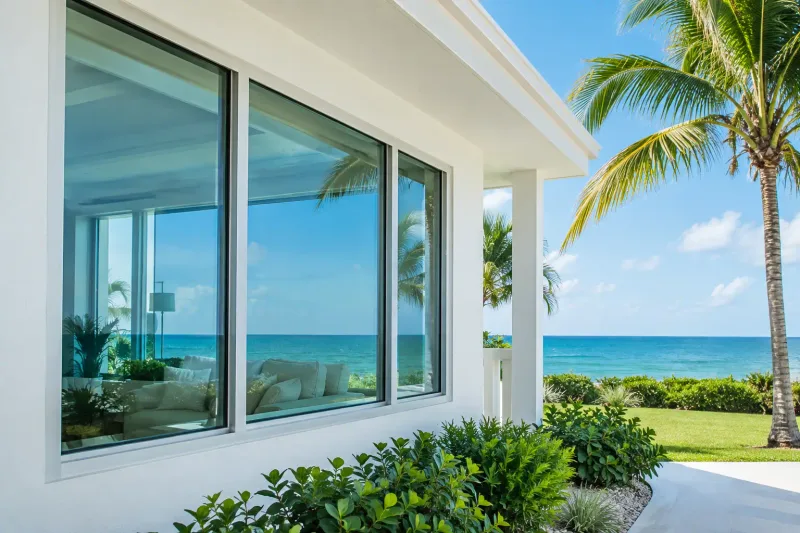
Energy performance also depends on the complete specification. Low-E coatings, tint choices, insulated glass configurations, frame color, orientation, and shading can influence solar heat gain and visible light. In South Florida, glass that limits unwanted solar heat can make rooms more comfortable and reduce strain on cooling equipment. Yet darker or more reflective options may alter daylight and exterior appearance, particularly in communities with HOA requirements.
Security is another practical benefit. Laminated impact glass is more difficult to penetrate than conventional annealed glass, helping create an additional barrier against forced entry. It is not a replacement for smart locks, alarm systems, exterior lighting, or responsible access control. Instead, it strengthens the home’s overall security strategy while also addressing hurricane protection.
Frame Options and Design Flexibility
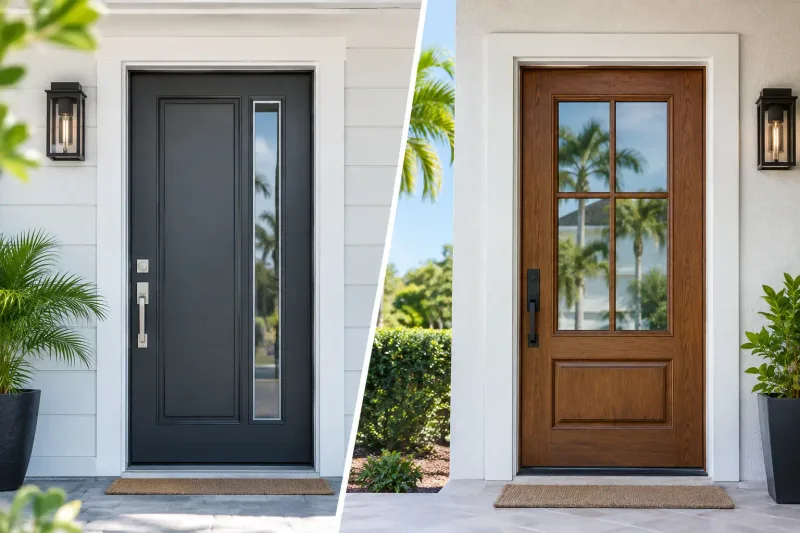
Performance should not force a homeowner into a generic look. PGT window systems are available in configurations suited to contemporary homes, Mediterranean-style properties, condominiums, and commercial settings. Frame finishes, grille patterns, sightlines, glass tints, and operating styles allow a project to support curb appeal as well as protection.
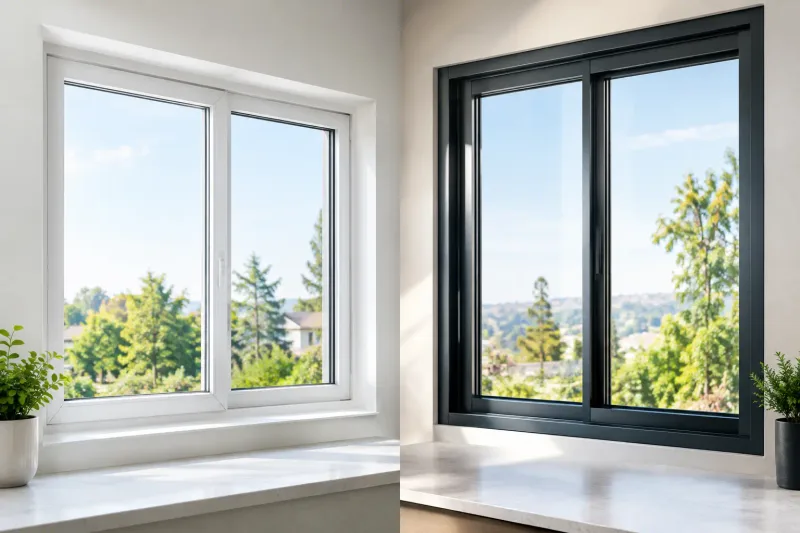
The decision between aluminum and vinyl frames often comes down to the opening, architecture, budget, and desired profile. Aluminum can provide slim sightlines and structural strength that work well for many large or demanding openings. Vinyl may appeal to owners focused on thermal performance and a different aesthetic. Neither choice is automatically superior in every application. The proper solution is the one engineered for the project and compatible with local code requirements.
For doors and large glass openings, operation deserves careful attention. A beautiful sliding door is frustrating if its panels are difficult to move, drainage paths are neglected, or the threshold is poorly integrated with the exterior. Product selection should account for panel weight, track design, drainage, available clearance, accessibility needs, and how the opening will be used every day.
Installation Determines the Real-World Result
The strongest PGT window can underperform if installation quality falls short. Replacement work involves more than removing an old unit and securing a new one in the opening. The crew must confirm measurements, inspect the existing substrate, use approved anchors and fastening patterns, manage shims and clearances, integrate sealants correctly, and finish the interior and exterior cleanly.
Improper installation can contribute to water intrusion, air leaks, difficult operation, finish damage, and failed inspections. It can also create uncertainty around warranty coverage or code compliance. This is why project management matters as much as the product label.
At Avrax Impact Windows & Doors, the process is built around accountability from consultation through completion. That includes helping homeowners compare configurations, coordinating permits and HOA documentation when needed, removing existing units, installing the new system to applicable requirements, and keeping the job site organized. For a major exterior upgrade, clear communication and respectful crews are part of the performance standard.
Questions to Ask Before You Choose
Before approving a PGT window proposal, ask for the specific product series and configuration proposed for each opening. Confirm the applicable approval, required design pressure, glass type, frame finish, and installation scope. If the home has unusual conditions - such as oversized openings, elevated floors, waterfront exposure, masonry damage, or existing water intrusion - those conditions should be addressed in writing.
It is also reasonable to ask how permitting will be handled, what protection will be used inside the home during removal, how final adjustments are completed, and what cleanup is included. A detailed proposal helps homeowners compare bids based on scope and performance rather than simply comparing a bottom-line price.
Is PGT the Right Choice for Your Property?
PGT can be an excellent fit for South Florida homeowners and commercial property owners seeking impact protection, improved comfort, and a polished finished appearance. Its range of options makes it practical for many replacement projects, from modest window upgrades to larger door and glazing systems.
The best choice still depends on your home’s engineering requirements, goals, and budget. A product that is ideal for a protected single-story residence may not be the right configuration for a high-rise unit, a waterfront exposure, or an expansive opening facing prevailing winds. Start with a professional assessment of the structure, not a one-size-fits-all promise.
When you are ready to replace outdated windows or doors, focus on the complete system: approved products, correct glass, proper engineering, disciplined installation, and final permit closure. That is how an investment in impact windows becomes lasting protection and everyday peace of mind.